https://doi.org/10.36253/a_h-19791
Submitted on: 2026, 3th February; revised on: 2026, 26th March; accepted on: 2026, 9th April.
Negative impacts of cultural monument restoration on the Common Wall Lizard population
1 Department of Animal Ecology and Zoogeography, Institute of Zoology, Faculty of Biology, University of Belgrade, Studentski trg 16, 11000 - Belgrade, Serbia
2 Department of Evolutionary Biology, Institute for Biological Research “Siniša Stanković” – National Institute of the Republic of Serbia, University of Belgrade, Bulevar Despota Stefana 142, 11060 - Belgrade, Serbia
3 Department of Animal Morphology, Systematics and Phylogeny, Institute of Zoology, Faculty of Biology, University of Belgrade, Studentski trg 16, 11000 - Belgrade, Serbia
*Corresponding author. Email: e3002_2024@stud.bio.bg.ac.rs
Abstract. Some animals successfully inhabit anthropogenic environments but are often exposed to negative impacts such as habitat destruction, disturbance, and pollution. Lizards frequently occupy stone walls, abandoned buildings, and cultural monuments, including fortresses, where crevices provide important sites for hiding, thermoregulation, and hibernation. However, urbanisation and restoration activities can negatively affect animal populations by restricting movement and dispersal and by reducing reproductive success, growth, and survival, potentially leading to population declines or local extinctions. The main objective of this study was to assess the impact of cultural monument restoration on Podarcis muralis populations by analysing body condition index and population structure. The study was conducted at Kalemegdan Fortress, located in the urban centre of Belgrade, Serbia. This three-year-long research showed that at the locality Kalemegdan 1, the fortress restoration caused local population extinction due to habitat destruction and the killing of lizards, with no evidence of lizards migrating to the neighbouring locality – Kalemegdan 2. Interestingly, lizards from Kalemegdan 1 consistently exhibited a higher body condition index than those from Kalemegdan 2, thus suggesting more favourable hibernation conditions at the former locality. However, body condition index values at Kalemegdan 1 showed a declining trend over the study period, likely as a consequence of restoration activities. Overall, the results indicate that restoration of historic fortresses can result in habitat loss and population declines in urban lizards. Given that urban populations are often small and fragmented, the absence of appropriate mitigation measures during restoration may increase the risk of local extinction.
Keywords. Kalemegdan Fortress, urban population, Podarcis muralis, body condition index, capture–mark–recapture, habitat destruction
Contents
Description of restoration activities
Fieldwork and capture-mark-recapture
Introduction
Urbanisation is a major human-driven cause of habitat fragmentation, alteration, and loss (Scanes, 2018; Li et al., 2022). These changes negatively affect animal populations by restricting movement and dispersal, and by reducing reproductive success, growth, and survival, which can ultimately result in local or regional population declines or extinctions (Baur and Erhardt, 1995; Gonzalez-Suarez and Revilla, 2014; Powers and Jetz, 2019; Lal and Nadim, 2021).
In anthropogenic environments, animals often lack optimal conditions for nutrition, reproduction and thermoregulation, and are frequently exposed to pollution and disturbance (Preeti et al., 2018). Nevertheless, some species persist in anthropogenic habitats (Bateman and Fleming, 2012; Garcia et al., 2017; Putman and Tippie, 2020), even thrive in the centres of large cities, where they may occupy river banks, parks, stone walls, ruins, or cultural monuments (Mollov, 2011; Pulev and Sakelarieva, 2013; Simbula et al., 2019). However, the ability to cope with urban environments varies markedly among taxa, and reptiles are among the most vulnerable groups in anthropogenic landscapes (Cox et al., 2022). Reptiles are ectotherms and their body temperature depends on the environmental temperature (Vitt and Caldwell, 2014). They require specific habitat structures (rocks, rubble, crevices) for hiding, thermoregulation, egg laying and hibernation (Downes and Shine, 1998; Smith and Ballinger, 2001; Goller et al., 2014). Due to their specific requirements for thermoregulation and nutrition, reptiles are susceptible to changes in habitat structure, thermal heterogeneity and refugia availability (Doherty et al., 2020; Cordier et al., 2021). Reptile populations in urban environments are under additional pressure because they are often small and isolated, with limited dispersal abilities (Wall et al., 2024). Lizards and snakes frequently inhabit stone walls, abandoned buildings, and cultural monuments such as fortresses, because the crevices within these structures are important for shelter, thermoregulation and hibernation (Scali et al., 2013). Plugging these shelters can result in immediate mortality, especially if it occurs during hibernation. Although the conservation of cultural heritage is essential for preserving historical identity and supporting tourism, restoration activities often involve intensive habitat modification, such as removing vegetation and fallen leaves, as well as plugging holes and shelters. This creates a potential conflict between cultural heritage conservation and biodiversity protection, particularly for taxa that inhabit such places.
One reliable way to assess the impacts of human-induced environmental change and to implement mitigation measures promptly is the systematic monitoring of wildlife populations using multiple variables and parameters. Capture–mark–recapture (CMR) studies are widely used to monitor trends in population growth or decline (Sandercock et al., 2020). At the individual level, the body condition index (BCI) reflects energy reserves and overall physiological status, representing the ratio of an individual’s body mass to body length (Jakob et al., 1996; Peig and Green, 2009). Individuals with higher BCI values have greater energy reserves, thus increasing their chances of surviving hibernation and achieving higher reproductive success (Shine et al., 2001; Madsen et al., 2023). Individuals inhabiting urban environments may have lower BCI values due to factors such as disturbance, reduced food availability and environmental pollution (Gallego-Carmona et al., 2016; Lazić et al., 2017; Giery et al., 2025). Used together, the BCI and CMR methods provide a robust framework for evaluating both population-level and individual-level responses to environmental disturbance.
Despite the widespread presence of reptiles in urban cultural monuments, the ecological consequences of monument restoration are poorly documented, and environmental impact assessments rarely consider herpetofauna (O’Sullivan et al., 2023). Given the important ecological roles of lizards and snakes as both predators and prey in urban ecosystems, the loss or decline of these populations may cause cascading effects on local food webs (Brum et al., 2023). Therefore, understanding how restoration activities affect reptile populations is essential for developing management strategies that reconcile cultural heritage preservation with biodiversity conservation.
The main objective of this study was to evaluate the impact of cultural monument restoration on Podarcis muralis populations inhabiting the cultural monument. The specific objectives were to quantify changes in the Common Wall Lizard abundance, BCI and habitat use caused by the restoration of cultural monuments, and to provide conservation recommendations for future restoration projects.
Materials and methods
Study site
The study was conducted at Kalemegdan, located in the urban centre of Belgrade, the capital of Serbia (44°49’38’’N, 20°27’5’’E). Kalemegdan, also known as the Belgrade Fortress, was declared a cultural monument of exceptional importance in 1979. In addition, the part of Kalemegdan known as “Kalemegdanski rt” was declared a Natural Monument in 2021. This dual protection (cultural-historical and natural) highlights the significance of Kalemegdan as a unique cultural-historical and natural entity within Kalemegdan Park. Kalemegdan consists of a park and an old fortress (Fig. 1). Before restoration, the fortress contained numerous fissures, cavities, and stone crevices that provided suitable habitats for lizards and snakes. The surrounding area includes urban green spaces, such as landscaped lawns and tree lines intersected by pedestrian walkways. The complex offers various facilities, including a zoo, an amusement park, sports fields, coffee shops, a museum and kiosks. Numerous events are held there, and a large number of tourists are constantly present.
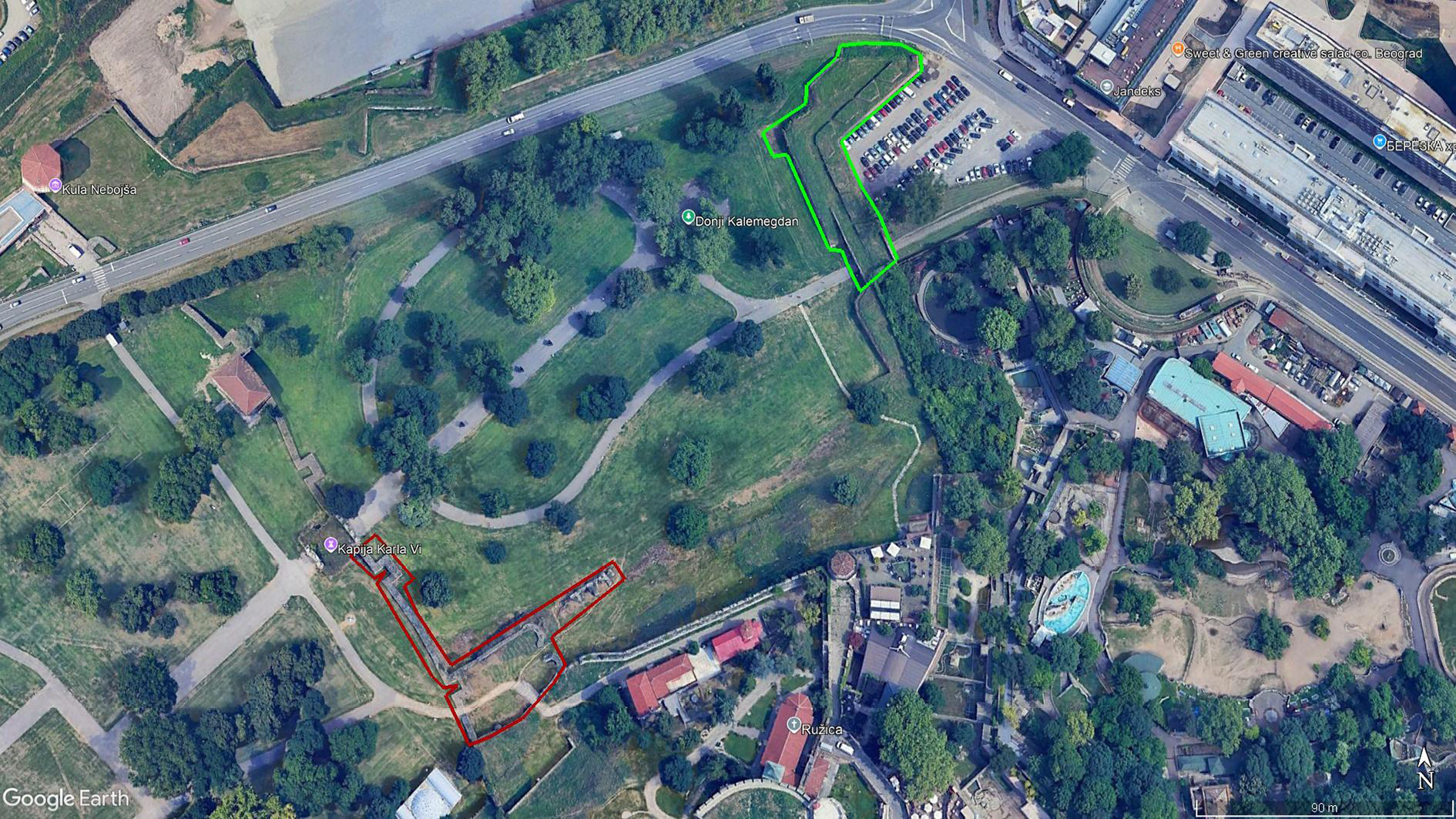
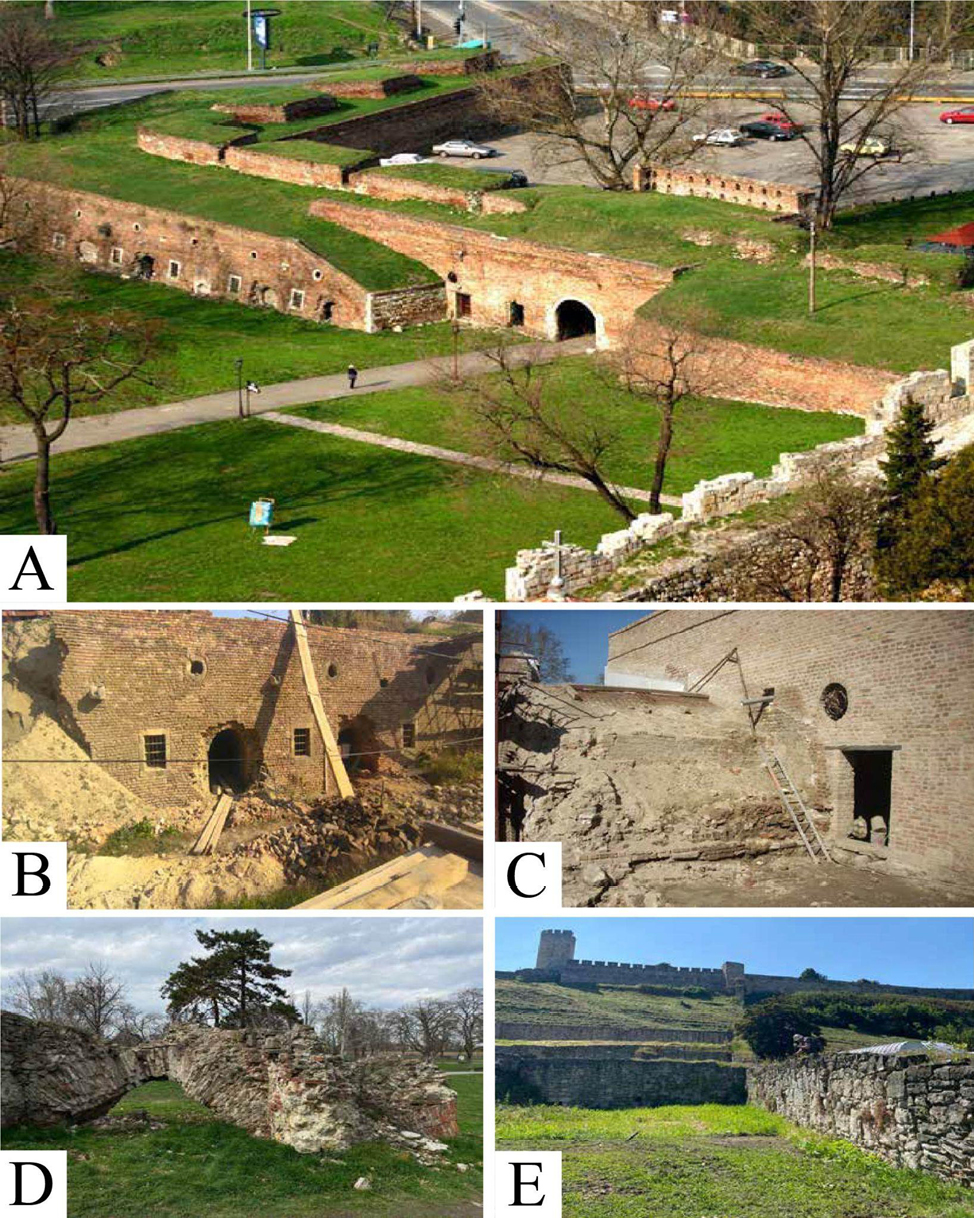
The analysed locality, Kalemegdan 1, is bordered on one side by a parking area, a street and the zoo’s enclosures, and on the other side, the fortress is surrounded by a park with a landscaped lawn intersected by walking paths (Figs 1-2). The area of this locality is approximately 2280 m². The fortress walls, about 4-7 m high, are constructed of brick and massive stone, with numerous cracks and dents that provide ideal hiding places for lizards, snakes and other animals (Fig. 2). The habitat is characterised by low vegetation, as well as plants growing on the walls, which offer basking and shelter opportunities for various species. The second analysed locality, Kalemegdan 2, is located approximately 130 m from Kalemegdan 1 (Fig. 1). Kalemegdan 2 is characterised by lower walls (1.5-2 m) than Kalemegdan 1 and by the presence of ruins of older fortifications (Fig. 2). The area of this locality is about 1950 m2.
Description of restoration activities
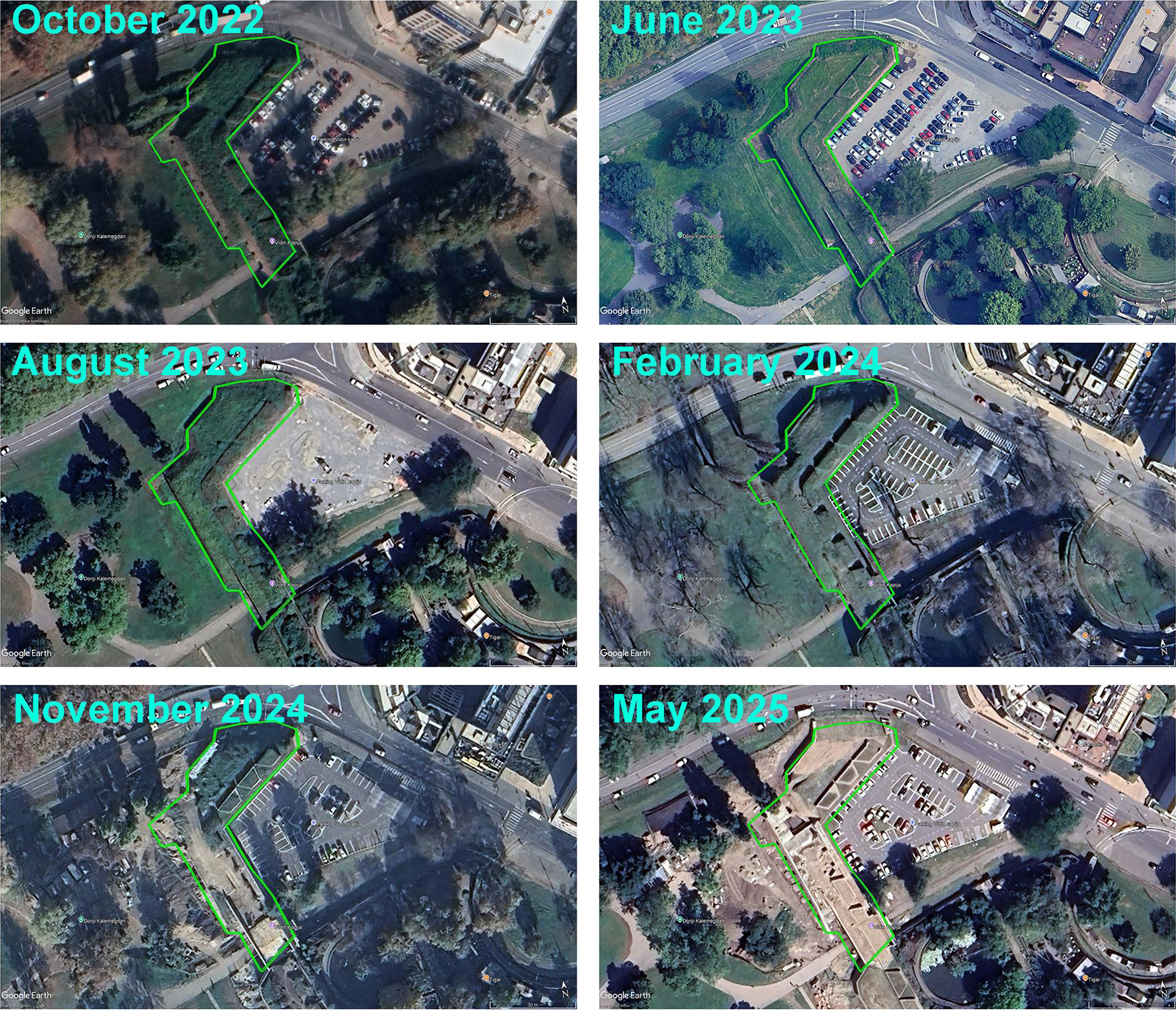
In the second half of 2023, the parking lot located directly next to the studied locality Kalemegdan 1 was reconstructed. During this period, lizards avoided the fortress wall facing the car park due to disturbance from workers and heavy machinery; significantly fewer active lizards were observed on that side of the wall compared to the period before the works. Restoration of the fortress wall at Kalemegdan 1 began in April 2024, and according to the plan, it is scheduled to continue until March 2026. Throughout 2024 and especially in 2025, the restoration involved major structural interventions (Fig. 2B-C; Fig. 3). Activities included filling cavities, crevices and holes in the stone walls, removing loose stones and vegetation, maintaining a continuous human presence and using heavy machinery. During this period, lizards hibernated and hid in holes, where they became trapped. These actions also eliminated microhabitats previously used by reptiles for shelter, foraging, egg laying and thermoregulation.
Analysed species
The Common Wall Lizard, Podarcis muralis (Laurenti, 1768), is a medium-sized lacertid lizard, with a body length of about 20 cm, a snout-vent length (SVL) of up to 7.5 cm and a tail that can be twice as long as the body (Speybroeck et al., 2016). Sexual dimorphism is pronounced, with males being larger than females (Gruschwitz and Böhme, 1986). The Common Wall Lizard inhabits various habitats but prefers sunny, rocky areas with low vegetation (Arnold and Ovenden, 2002). It has successfully adapted to highly urbanised areas, including large cities and villages, often inhabiting stone walls and buildings (Böhme et al., 2009; Speybroeck et al., 2016). It is a diurnal species, but limited nocturnal activity was observed under artificial light (Carretero et al., 2012). In the northern part of its range, the Common Wall Lizards are active from February to November, while hibernating during winter (Speybroeck et al., 2016). However, activity can also occur in winter on sunny and warm days (Gvozdenović Nikolić et al., 2024; Sakelarieva et al., 2025). This species exhibits homing behaviour (Scali et al., 2013) and males display territorial behaviour (Avery, 1978). The Common Wall Lizard is not globally endangered and is classified as a species of Least Concern (LC) according to the IUCN criteria (Bowles, 2024). However, at the European level, the species is protected under the Bern Convention (Appendix II) and included in Annex IV of the European Habitat Directive. In Serbia, it is not protected.
Fieldwork and capture-mark-recapture
At the Kalemegdan 1 locality, a CMR study was conducted from October 2022 to October 2024 (before the restoration of the old fortress) to establish baseline data on the size and demographic parameters of the Common Wall Lizard population. During eight seasons, lizards were captured in suitable weather and daylight conditions, using a standard noose technique. Each individual was marked using the heat-branding method, in which the unique combinations of ventral scales were burned (Ekner et al., 2011). During each sampling period, Kalemegdan 1 was thoroughly surveyed. We inspected the fortress wall several times in detail, including depressions and holes, and captured active lizards. The intervals among sessions were not uniform, but this was accounted for in the population size estimation. For each capture, the following data were recorded: sex, snout-vent length (SVL), body mass and location.
During the restoration of the fortress, locality Kalemegdan 1 was surveyed, when possible, as access to the site was limited by construction works. Adjacent sections of the fortress that had not undergone restoration were also surveyed to detect potential dispersal of marked individuals. At locality Kalemegdan 2, near Kalemegdan 1, where the fortress has not been restored, individuals of the Common Wall Lizard were observed, and the CMR study continued during 2025. Lizards were captured during five sessions from March to October 2025. All individuals were checked for marks applied during the pre-restoration CMR study.
Captured lizards were transported to the laboratory at the Institute for Biological Research “Siniša Stanković” – National Institute of the Republic of Serbia, where they were measured and marked, and then returned to the place of capture.
Statistical analysis
Population size was estimated using the openp() function in the Rcapture package in R (Rivest and Baillargeon, 2022; R Core Team, 2025), applying an open-population Jolly-Seber parameterisation. Population size was estimated separately for both study localities (Kalemegdan 1 and Kalemegdan 2) using pooled sex data to increase the robustness of the estimates. For each locality, the total population size (N) and associated 95% confidence intervals (CI) were calculated based on the observed capture histories. Habitat suitability, recapture rates, and sex ratio were compared between localities and between the pre- and post-restoration periods at Kalemegdan 1.
Residuals from the linear regression of logarithmic body mass on logarithmic body length (SVL) were used as a measure of BCI. Body condition index values between the localities were compared separately for October and March using independent-samples t-tests. For this analysis, only individuals from the Kalemegdan 1 locality captured in October 2022 and March 2023 were included; other individuals from this locality were excluded because they were affected by reconstruction works on the parking lot and fortress walls. Differences in BCI among years were evaluated separately for each sampling month (October and March) and sex using pairwise independent-samples t-tests. To account for multiple comparisons, p-values were adjusted using the Bonferroni correction.
Results
Capture-mark-recapture
At the Kalemegdan 1 locality, during eight sessions, we captured 372 lizards. Of these, 44 individuals were recaptured after marking, with some individuals captured once, twice or three times, resulting in a total of 51 recapture records (Table 1), with an overall recapture rate of 11.82%. According to the Jolly-Seber model, the estimated population size at Kalemegdan 1 was 1211 individuals (95% CI: 1179-1244). At Kalemegdan 2, during five sessions from March to October 2025, 178 individuals were marked. Of these, 17 were recaptured after marking, with two individuals recaptured twice, resulting in a total of 19 recapture records (Table 1), with an overall recapture rate of 9.64%. The estimated population size at Kalemegdan 2 was 780 lizards (95% CI: 752-808). No lizards recaptured at Kalemegdan 2 had been previously marked at Kalemegdan 1.
| Locality | Capture/Recapture | Sex | N |
|---|---|---|---|
| Kalemegdan 1 | C | F | 198 |
| M | 174 | ||
| R | F | 19 | |
| M | 32 | ||
| Kalemegdan 2 | C | F | 93 |
| M | 85 | ||
| R | F | 8 | |
| M | 11 |
At both localities, more females than males were caught (198 vs 174 and 93 vs 85 at Kalemegdan 1 and Kalemegdan 2, respectively), but males were recaptured more frequently than females (18.39% vs 9.60% and 12.94% vs 8.60% at Kalemegdan 1 and Kalemegdan 2, respectively) (Table 1).
Habitat suitability
Both analysed localities were suitable habitats for the Common Wall Lizard, as the walls of the Kalemegdan Fortress contained numerous cracks and plants where the lizards could feed, hide and thermoregulate. Even before the restoration, these sites were exposed to anthropogenic pressure due to grass cutting and the presence of many tourists. However, the reconstruction of the fortress walls at the Kalemegdan 1 locality in 2024 and 2025 resulted in habitat destruction; consequently, no lizards were found at this locality in 2025.
Body condition index
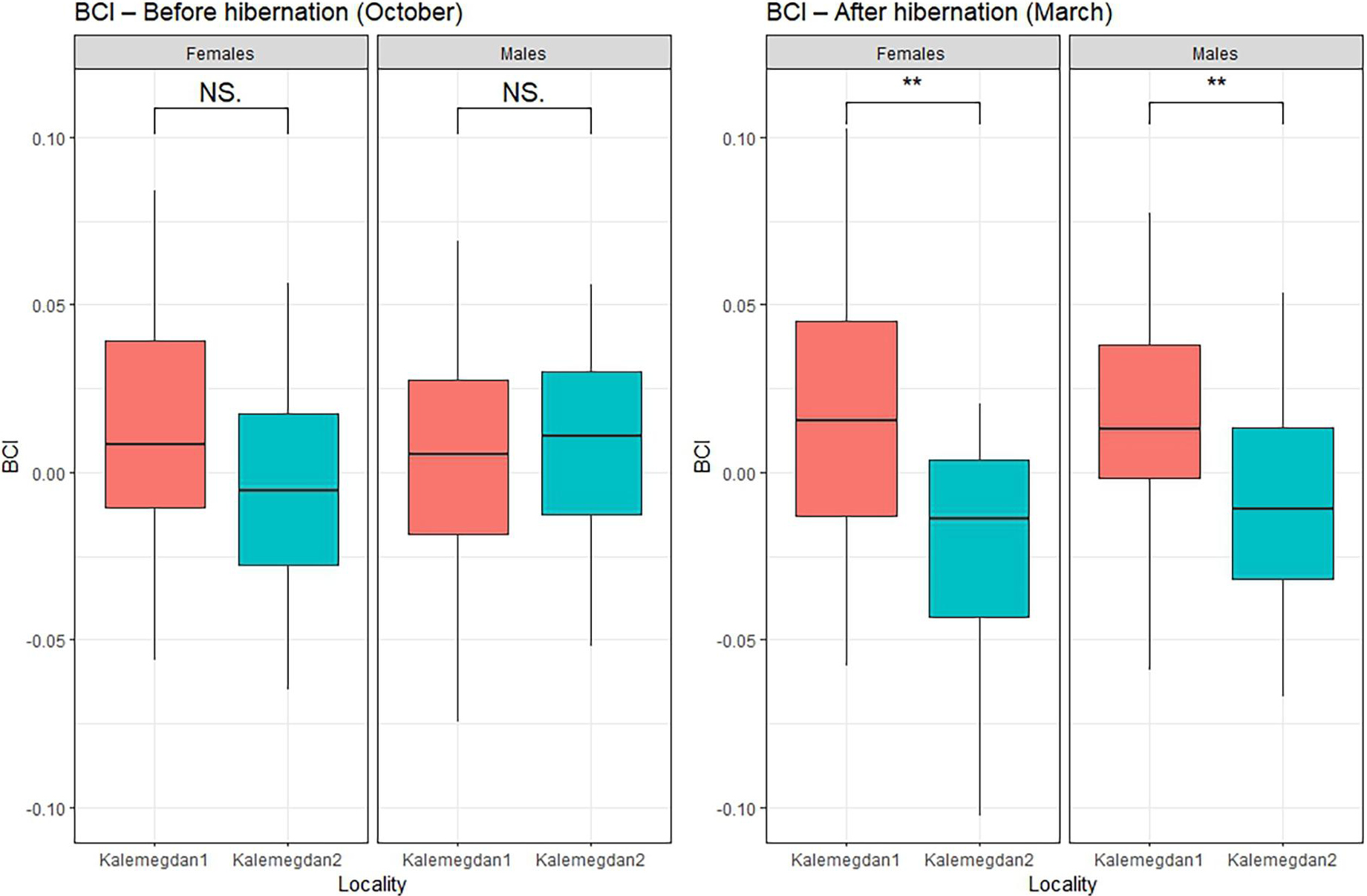
Before hibernation (in October), no significant differences in BCI were found between localities for either females (P = 0.434) or males (P = 0.413) (Fig. 4). After hibernation (in March), both female and male lizards from Kalemegdan 1 exhibited significantly higher BCI than those from Kalemegdan 2 (P = 0.003 and P = 0.002, respectively) (Fig. 4).
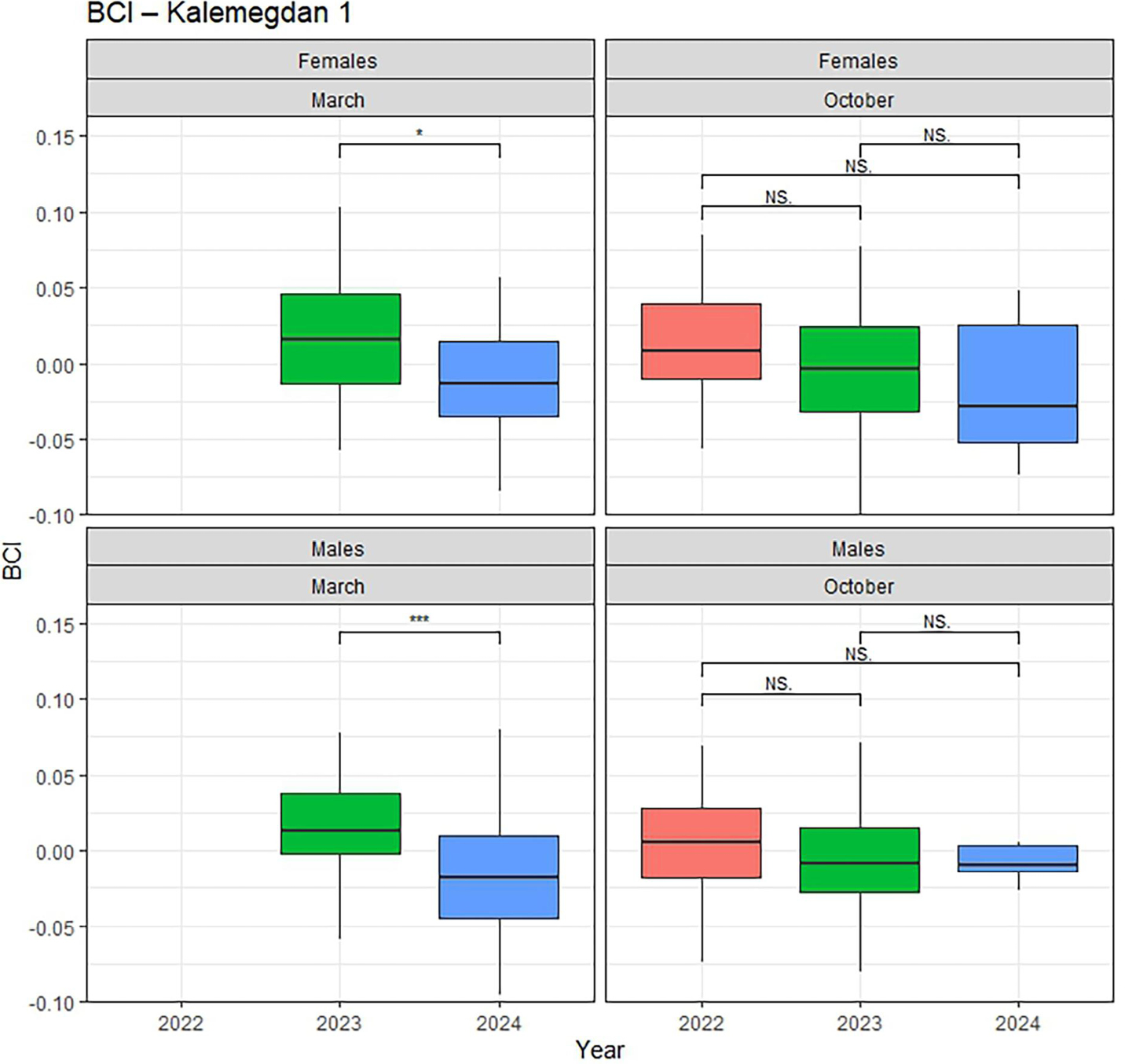
Body condition index values in lizards from Kalemegdan 1 showed a decreasing trend over the years. In March, this decrease was statistically significant in both females (P = 0.012) and males (P < 0.001), while in October, the overall decreasing trend in BCI values over the years was not statistically significant in either sex after correction for multiple comparisons (Fig. 5).
Discussion
Our results highlight a rarely addressed conservation issue: cultural monument restoration can cause biodiversity loss when ecological considerations are excluded from planning. This study shows that the restoration of the cultural monument Kalemegdan led to the local collapse of a previously stable lizard population. Before restoration, Kalemegdan 1 supported approximately 1211 individuals, with high recapture rate (11.8%). However, no marked individuals were detected among 178 lizards captured in nearby unmodified area (Kalemegdan 2), indicating near-total mortality rather than dispersal.
Reptiles are particularly vulnerable to such impacts due to their dependence on microstructural habitat features, which are often targeted for removal during restoration (O’Sullivan et al., 2023). Historic structures serve as artificial habitats for many animals, yet restoration guidelines rarely consider reptile fauna (Todd et al., 2010). Plugging holes and crevices likely caused direct mortality, as many lizards and snakes were hibernating within stone walls when reconstruction began. Disturbance during hibernation is a major threat because reduced metabolic rates and body temperatures limit escape capacity (Dubiner et al., 2023). Despite the presence of suitable habitat in nearby unmodified sections of the fortress, no marked individuals were found after restoration. This is consistent with previous findings that many lizard species exhibit strong site fidelity, small home ranges, and limited movement between habitat patches (Scali et al., 2013; Spikmans and Bosman, 2015; Williams et al., 2021). Additionally, urban landscapes further exacerbate isolation due to barriers such as roads, buildings, and human activity (Beninde et al., 2016). One side of Kalemegdan faces the Sava and Danube rivers, while the other side is bordered by a highly urbanised part of the city. The entire complex is surrounded by busy streets, thus the lizards have nowhere to migrate. Although limited dispersal to surrounding habitats cannot be excluded, it was probably minimal.
In addition to habitat destruction and lizard mortality, the disturbance by workers and machinery on the site can indirectly affect BCI, reproduction and survival rates through decreased activity due to hiding (Putman et al., 2024). Increased human presence leads to increased stress and mortality of animals (Josserand et al., 2017; Lazić et al., 2017). Structural complexity is crucial for reptile survival; thus, the loss of crevices eliminates thermal refugia, hiding places, and overwintering sites, as well as reduces basking, sheltering, and egg-laying areas for lizards (Elbahi et al., 2023). If they managed to mate during the spring, the females had fewer suitable places to lay eggs than before the restoration, and it is very likely that those eggs were also buried and destroyed during the season.
Results showed that the restoration activities at Kalemegdan 1 negatively affected the BCI of lizards, during the post-hibernation period. While no significant differences in BCI between localities were detected before hibernation, both females and males from Kalemegdan 1 had significantly higher BCI than those from Kalemegdan 2 after hibernation. As lizards do not feed during hibernation, post-hibernation BCI reflects the cumulative effects of refuge quality, thermal stability and disturbance experienced during the overwintering period. Differences in BCI between localities observed after hibernation may reflect differences in hibernation conditions. The absence of significant differences in BCI between localities during October suggests that lizards are able to partially compensate for early-season energetic deficits later in the active season.
The values of the body condition index of Podarcis muralis individuals at Kalemegdan 1 declined over successive years, indicating a progressive habitat deterioration. Significantly lower spring BCI values in 2024 compared to 2023 at Kalemegdan 1 probably reflects restoration activities beginning in late 2023. As a saxicolous species, Podarcis muralis, strongly depends on wall microstructures for thermoregulation and hibernation; their loss possibly increased energetic costs and overwinter mortality. Additionally, post-hibernation energy reserves can have cascading effects on survival, growth and reproduction (Naulleau and Bonnet, 1996). A downward trend in the condition index was also recorded for the pre-hibernation period. Although not statistically significant, it is most probably a consequence of locality reconstruction. Structural modification of the fortress walls progressively reduced habitat quality for lizards by reducing available food. Vegetation removal affects the diversity and abundance of insects, which are the main food source for the Common Wall Lizard (Speybroeck et al., 2016). The Common Wall Lizards exhibit territorial behaviour, and the loss or alteration of habitat can increase aggressive interactions and displacement (Avery, 1978). These social interactions may elevate energy expenditure and stress levels, further reducing body condition. Additionally, the loss of refugia probably elevated predation risk, further contributing to reduced condition and survival.
Conservation implications
Effective conservation plans can mitigate the impacts of anthropogenic activities on urban populations by reducing habitat fragmentation and by building and maintaining bio corridors (Bozhilova and Frissen, 2025). Integrated heritage–biodiversity management is necessary for mutual benefit. There are good examples of how the negative effects of reconstruction can be mitigated (Spikmans and Bosman, 2015).
Conservation measures in similar cases should include: conducting pre-restoration reptile population surveys to identify critical refugia and hibernation sites; implementing artificial refugia, such as rock piles or crevice blocks, in nearby areas before and after restoration; planning restoration activities seasonally, avoiding work during hibernation and breeding periods; using phased restoration – closing holes progressively rather than sealing entire walls at once – to allow animals time to relocate gradually; conducting continuous long-term monitoring of reptile populations; and ensuring coordination between conservation agencies and cultural heritage authorities to comply with wildlife protection legislation.
Further directions
Other animals also inhabit this locality, and Podarcis muralis is only one component of the ecosystem. For example, Dolichophis caspius (Gmelin, 1789) also inhabits Kalemegdan and was probably under considerable pressure during the restoration because it also had been using holes in the wall for shelter and hibernation. Dolichophis caspius feeds on lizards and small rodents, and the sudden decline in lizard abundance likely reduced food availability. Such trophic disruptions can destabilise urban ecosystems, where predator–prey dynamics are already simplified compared to natural environments (Straka et al., 2025). Given that the current habitat of Kalemegdan 1 has been greatly altered, with shelters and much of the green areas concreted, it is necessary to monitor the state of the population at Kalemegdan 2 and whether parts of lizard and other reptile populations may re-settle at the Kalemegdan 1 locality.
Conclusions
In many countries, including Serbia, there is no practice of conducting detailed assessments of the impact of the construction or restoration of facilities on reptile populations. Based on the results of this study, we have concluded that restoration of cultural monuments, old fortresses, and stone walls can cause loss of reptile habitat and a decline in reptile populations. Urban lizard populations are small and fragmented, so if appropriate mitigation measures are not implemented during restoration (such as construction of migration corridors, artificial shelters or translocation), local populations may decline or become extinct. Culturally important structures are also ecological assets; therefore, integrated planning that explicitly incorporates biodiversity considerations is essential to preserve both cultural heritage and urban wildlife.
Acknowledgements
The study was conducted with permission of the Ministry of Environmental Protection (permit numbers 353-01-3612/2021-04, 353-01-214/2023-04, 000112105202414850004003501086 and 000210110202514850004000000001). This research was funded by the Ministry of Science, Technological Development, and Innovation of the Republic of Serbia (451-03-136/2025-03/200007, 451-03-137/2025-03/200007, 451-03-3525/2025-03). We would like to thank M. Bugarčić, D. Marđokić, M. Hatlak, L. Žunić, S. Antanasković, T. Stevanović, V. Dragović, A. Keneški and M. Radosavljević for their assistance during fieldwork. We also thank our colleague, Dr Katarina Breka, for allowing us to use her photograph in Fig. 2E.
References
Arnold, E.N., Ovenden, D. (2002): A field guide to the reptiles and amphibians of Britain and Europe. London, Harper Collins Publishers.
Avery, R.A. (1978): Activity patterns, thermoregulation and food consumption in two sympatric lizard species (Podarcis muralis and P. sicula) from central Italy. J. Anim. Ecol. 47: 143-158.
Bateman, P.W., Fleming, P.A. (2012): Big city life: Carnivores in urban environments. J. Zool. 287: 1-23.
Baur, B., Erhardt, A. (1995): Habitat fragmentation and habitat alterations: Principal threats to most animal and plant species. GAIA 4: 221-226.
Beninde, J., Feldmeier, S., Werner, M., Peroverde, D., Schulte, U., Hochkirch, A., Veith, M. (2016): Cityscape genetics: Structural vs. functional connectivity of an urban lizard population. Mol. Ecol. 25: 4984-5000.
Bozhilova, M., Frissen, C. (2025): Green infrastructure for species conservation: A case study of Podarcis muralis in Hoge Fronten, Maastricht, Netherlands. Silva Balc. 26: 91-104.
Brum, P.H.R., Gonçalves, S.A., Strüssmann, C., Teixido, A.L. (2023): A global assessment of research on urban ecology of reptiles: Patterns, gaps and future directions. Anim. Conserv. 26: 1-13.
Carretero, M.A., Sillero, N., Lazić, M.M., Crnobrnja-Isailović, J.M. (2012): Nocturnal activity in a Serbian population of Podarcis muralis (Laurenti, 1768). Herpetozoa 25: 87-89.
Cordier, J.M., Aguilar, R., Lescano, J.N., Leynaud, G.C., Bonino, A., Miloch, D., Loyola, R., Nori, J. (2021): A global assessment of amphibian and reptile responses to land-use changes. Biol. Conserv. 253: 108863.
Cox, N., Young, B.E., Bowles, P., Fernandez, M., Marin, J., Rapacciuolo, G., Böhm, M., Brooks, T.M., Hedges, S.B., Hilton-Taylor, C., Hoffmann, M., Jenkins, R.K.B., Tognelli, M.F., Alexander, G.J., Allison, A., Ananjeva, N.B., Auliya, M., Avila, L.J., Chapple, D.G., Cisneros-Heredia, D.F., Cogger, H.G., Colli, G.R., de Silva, A., Eisemberg, C.C., Els, J., Fong, G.A., Grant, T.D., Hitchmough, R.A., Iskandar, D.T., Kidera, N., Martins, M., Meiri, S., Mitchell, N.J., Molur, S., Nogueira, C.C., Ortiz, J.C., Penner, J., Rhodin, A.G.J., Rivas, G.A., Rödel, M.-O., Roll, U., Sanders, K.L., Santos-Barrera, G., Shea, G.M., Spawls, S., Stuart, B.L., Tolley, K.A., Trape, J.-F., Vidal, M.A., Wagner, P., Wallace, B.P., Xie, Y. (2022): A global reptile assessment highlights shared conservation needs of tetrapods. Nature 605: 285-290.
Doherty, T.S., Balouch, S., Bell, K., Burns, T.J., Feldman, A., Fist, C., Garvey, T.F., Jessop, T.S., Meiri, S., Driscoll, D.A. (2020): Reptile responses to anthropogenic habitat modification: A global meta‐analysis. Glob. Ecol. Biogeogr. 29: 1265-1279.
Downes, S., Shine, R. (1998): Heat, safety or solitude? Using habitat selection experiments to identify a lizard’s priorities. Anim. Behav. 55: 1387-1396.
Dubiner, S., Jamison, S., Meiri, S., Levin, E. (2023): Squamate metabolic rates decrease in winter beyond the effect of temperature. J. Anim. Ecol. 92: 2163-2174.
Ekner, A., Sajkowska, Z., Dudek, K., Tryjanowski, P. (2011): Medical cautery units as a permanent and non-invasive method of marking lizards. Acta Herpetol. 6: 229-236.
Elbahi, A., Lawton, C., Oubrou, W., El Bekkay, M., Hermas, J., Dugon, M. (2023): Assessment of reptile response to habitat degradation in arid and semi-arid regions. Glob. Ecol. Conserv. 45: e02536.
Gallego-Carmona, C.A., Castro-Arango, J.A., Bernal-Bautista, M.H. (2016): Effect of habitat disturbance on the body condition index of the Colombian endemic lizard Anolis antonii (Squamata: Dactyloidae). South Am. J. Herpetol. 11: 183-187.
Garcia, C.M., Suárez-Rodríguez, M., López-Rull, I. (2017): Becoming citizens: Avian adaptations to urban life. In: Ecology and conservation of birds in urban environments. pp. 91-112. Murgui, E., Hedblom, M., Eds, Cham, Springer.
Giery, S.T., Chejanovski, Z.A., Assis, B.A., Langkilde, T., Kolbe, J.J. (2025): Evidence for urban food limitation in a widespread invasive lizard. Urban Ecosyst. 28: 110.
Goller, M., Goller, F., French, S.S. (2014): A heterogeneous thermal environment enables remarkable behavioral thermoregulation in Uta stansburiana. Ecol. Evol. 4: 3319-3329.
Gonzalez-Suarez, M., Revilla, E. (2014): Generalized drivers in the mammalian endangerment process. PLoS. 9: e90292.
Gruschwitz, M., Böhme, W. (1986): Podarcis muralis Laurenti, 1768 – Mauereidechse. In: Handbuch der Reptilien und Amphibien Europas, Echsen II, pp. 155-208. Böhme, W., Ed., Wiesbaden, Akademische Verlagsgesellschaft.
Gvozdenović Nikolić, S., Popović, J., Mićanović, A. (2024): Winter activity of some reptile species in Montenegro. North-West. J. Zool., 20: 196–199.
Jakob, E.M., Marshall, S.D., Uetz, G.W. (1996): Estimating fitness: A comparison of body condition indices. Oikos 77: 61-67.
Josserand, R., Dupoué, A., Agostini, S., Haussy, C., Le Galliard, J.-F., Meylan, S. (2017): Habitat degradation increases stress-hormone levels during the breeding season, and decreases survival and reproduction in adult common lizards. Oecologia 184: 75-86.
Lal, C.N., Nadim, C. (2021): Factors responsible for global decline of reptilian population: A review. Int. J. Zool. Investig. 7: 549-556.
Lazić, M.M., Carretero, M.A., Živković, U., Crnobrnja-Isailović, J. (2017): City life has fitness costs: Reduced body condition and increased parasite load in urban common wall lizards, Podarcis muralis. Salamandra 53: 10-17.
Li, G., Fang, C., Li, Y., Wang, Z., Sun, S., He, S., Qi, W., Bao, C., Ma, H., Fan, Y., Feng, Y., Liu, X. (2022): Global impacts of future urban expansion on terrestrial vertebrate diversity. Nat. Commun. 13: 1628.
Madsen, T., Loman, J., Bauwens, D., Stille, B., Anderberg, H., Anderberg, L., Ujvari, B. (2023): The impact of an extreme climatic event on adder (Vipera berus) demography in southern Sweden. Biol. J. Linn. Soc. 138: 282-288.
Mollov, I.A. (2011): Habitat distribution of the amphibians and reptiles in the city of Plovdiv, Bulgaria. Biharean Biol. 5: 25-31.
Naulleau, G., Bonnet, X. (1996): Body condition threshold for breeding in a viviparous snake. Oecologia 107: 301-306.
O’Sullivan, J.L., Foster, C.N., Blanchard, W., Florance, D., Michael, D.R., Lindenmayer, D.B. (2023): Reversing habitat loss: An experimental test of the interactive effects of grazing exclusion and surface rock restoration on reptile conservation. J. Appl. Ecol. 60: 1778-1789.
Peig, J., Green, A.J. (2009): New perspectives for estimating body condition from mass/length data: The scaled mass index as an alternative method. Oikos 118: 1883-1891.
Powers, R.P., Jetz, W. (2019): Global habitat loss and extinction risk of terrestrial vertebrates under future land-use-change scenarios. Nat. Clim. Change 9: 323-329.
Preeti, J.K.R., Thakur, M., Suman, M., Kumar, R. (2018): Consequences of pollution in wildlife: A review. Pharma Innov. 7: 94-102.
Pulev, A., Sakelarieva, L. (2013): Herpetofauna in the city of Blagoevgrad, south-western Bulgaria. BioDiscovery, 7: e8943.
Putman, B.J., Rensel, M.A., Schlinger, B.A., French, S., Blumstein, D.T., Pauly, G.B. (2024): Comparing fear responses of two lizard species across habitats varying in human impact. J. Urban Ecol. 10: juae002.
Putman, B.J., Tippie, Z.A. (2020): Big city living: A global meta-analysis reveals positive impact of urbanization on body size in lizards. Front. Ecol. Evol. 8: 580745.
R Core Team (2025) R: A language and environment for statistical computing. R Foundation for Statistical Computing.
Rivest, L., Baillargeon, S. (2022): Rcapture: Loglinear models for capture-recapture experiments. R package version 1.4-4.
Sakelarieva, L., Mitrevichin, E., Stoyanov, K., Pulev, A. (2025): Winter activity of Podarcis muralis (Laurenti, 1768) and P. erhardii (Bedriaga, 1876) in urban and suburban habitats in the City of Blagoevgrad, Bulgaria. North-West. J. Zool., 21:166-172.
Sandercock, B.K. (2020): Mark-recapture models for estimation of demographic parameters. In: Population ecology in practice, 1st ed., pp. 157-190. Murray, D.L., Sandercock, B.K., Eds, Oxford, Wiley-Blackwell.
Scali, S., Sacchi, R., Azzusi, M., Daverio, S., Oppedisano, T., Mangiacotti, M. (2013): Homeward bound: Factors affecting homing ability in a polymorphic lizard. J. Zool. 289: 196-203.
Scanes, C.G. (2018): Human activity and habitat loss: destruction, fragmentation, and degradation. In: Animals and human society, pp. 451-482. Scanes, C.G., Toukhsati, S.R., Eds., London, Academic Press.
Shine, R., LeMaster, M.P., Moore, I.T., Olsson, M.M., Mason, R.T. (2001): Bumpus in the snake den: Effects of sex, size, and body condition on mortality of red‐sided garter snakes. Evolution 55: 598-604.
Simbula, G., Luiselli, L., Vignoli, L. (2019): Lizards and the city: A community study of Lacertidae and Gekkonidae from an archaeological park in Rome. Zool. Anz. 283: 20-26.
Smith, G.R., Ballinger, R.E. (2001): The ecological consequences of habitat and microhabitat use in lizards: A review. Contemp. Herpetol. 1: 1-28.
Speybroeck, J., Beukema, W., Bok, B., Van Der Voort, J. (2016): Field guide to the amphibians and reptiles of Britain and Europe. London, Bloomsbury Publishing.
Spikmans, F., Bosman, W. (2015): Compensation of habitat loss for the common wall lizard (Podarcis muralis) in the city of Maastricht (The Netherlands). Mertensiella 22: 208-213.
Straka, T.M., Radchuk, V., Kowarik, I., von Der Lippe, M., Buchholz, S. (2025): Urbanization impacts top predators and alters biotic interactions in predator–prey–mutualistic communities of urban dry grasslands. Ecol. Evol. 15: e70791.
Todd, B.D., Willson, J.D., Gibbons, J.W. (2010): The global status of reptiles and causes of their decline. In: Ecotoxicology of amphibians and reptiles, 2nd ed., pp. 47-67. Sparling, D.W., Linder, G., Bishop, C.A., Krest, S., Eds, Boca Raton, CRC Press.
Vitt, L.J., Caldwell, J.P. (2014): Anatomy of amphibians and reptiles. In: Herpetology, 4th ed., pp. 35-82. Vitt, L.J., Caldwell, J.P., Eds, San Diego, Academic Press.
Wall, A.E., Biffi, D., Ackel, A., Moody, R.W., Stevens, T.K., Williams, D.A. (2024): Small towns limit dispersal and reduce genetic diversity in populations of Texas horned lizards. Ecol. Evol. 14: e70112.
Williams, R.J., Dunn, A.M., Mendes da Costa, L., Hassall, C. (2021): Climate and habitat configuration limit range expansion and patterns of dispersal in a non‐native lizard. Ecol. Evol. 11: 3332-3346.