State of the International Wine Markets in 2024: Stability in Global Wine Trade Amid Declining Consumption and Production
1 General Manager at the Spanish Observatory of Wine Markets (OeMv) & the Foundation for the Culture of Wine, Spain
2 Department of Wine & Beverage Business, Hochschule Geisenheim University, Von-Lade-Straße 1, D-65366 Geisenheim, Germany
Email: direccion@oemv.es; simone.loose@hs-gm.de
*Corresponding author.
Abstract. Despite simultaneous declines in global wine production and consumption, international wine trade remained stable in 2024, with export volumes rising by 0.8% and export value falling only slightly by 0.5%. This apparent resilience conceals significant variation across product categories, regions, and markets. Bulk wine exports increased notably, offsetting volume losses in bottled wine, largely driven by heightened production volatility and a growing need for intra-industry trade. At the same time, consumer preferences continued to shift toward white, sparkling, and low- and no-alcohol wines, as confirmed by both trade data and expert assessments. The three leading exporters – France, Italy, and Spain – displayed divergent developments, with Italy outperforming in both volume and value terms, largely due to its strong performance in sparkling wine exports. Italy is briefly presented as a best-practice case, warranting further research into the structural factors behind its long-term export success as a potential model for other wine-producing countries. On the import side, the United States, the United Kingdom, and Germany followed different trajectories, with the U.S. showing a tentative recovery in 2024, partly driven by anticipatory stockpiling amid fears of renewed tariffs. The escalation of U.S. tariff threats in early 2025 raised serious concerns about long-term trade stability and the role of the U.S. as a reliable export destination – developments that are likely to trigger structural shifts in global wine trade patterns. Industry experts continue to cite economic pressures, declining wine consumption, and increasingly restrictive alcohol policies as key challenges. While the 2024 trade performance may be viewed as a sign of resilience, special factors such as temporary stockpiling and shifting supply chains are expected to weigh on trade outcomes in 2025. These developments underscore the need for continuous monitoring, strategic adaptation, and deeper understanding of the structural transformations affecting global wine trade.
Keywords: global wine trade, wine types, industry strategies, tariffs.
1. World wine trade in 2024
1.1. Falling demand and supply did not result in falling wine trade
Global wine trade remained stable in 2024, despite significant declines in both global wine consumption and production.
– According to the OIV, global wine production fell sharply for the second consecutive year, primarily due to severe climatic events and increased disease pressure in vineyards across major producing regions. Estimated at 225.8 million hectolitres, production declined by 4.8% compared to 2023, reaching the lowest volume recorded in over 60 years. All major producing countries reported harvests well below their 5-year averages [1].
– Global wine consumption also declined, dropping by 3.3% to an estimated 214.2 million hectolitres – its lowest level since 1961 – reflecting a general contraction in demand across several key markets [1].
Nevertheless, global wine exports remained remarkably stable. Export volumes rose slightly by 0.8% to 100.2 million hectolitres. However, the average export price per litre fell by 1.2% to €3.60, leading to a slight decline in total export revenues by 0.5% to €36.04 billion (Table 1).
| Category | Average price in €/L | Share of value in % | Change of value in % | Share of volume in % | Change of volume in % |
|---|---|---|---|---|---|
| Wine Total | €3.60 | 100 | -0,5 | 100 | +0,8 |
| Bottled wine | €4.76 | 67 | -0.0 | 51 | -1.0 |
| Sparkling wine | €7.90 | 24 | -3.9 | 11 | +0.1 |
| Bulk wine | €0.77 | 7 | +9.3 | 35 | +3.9 |
| Bag-in-Box (BiB) | €1.90 | 2 | -4.8 | 3 | -3.9 |
Despite recent moderation, the value of international trade in wines and musts in 2024 remained well above pre-pandemic levels. After falling to €30 billion in 2020, global wine export revenues recovered strongly, exceeding 2017 levels by 18.3%, a gain of over €4.67 billion (Figure 1).
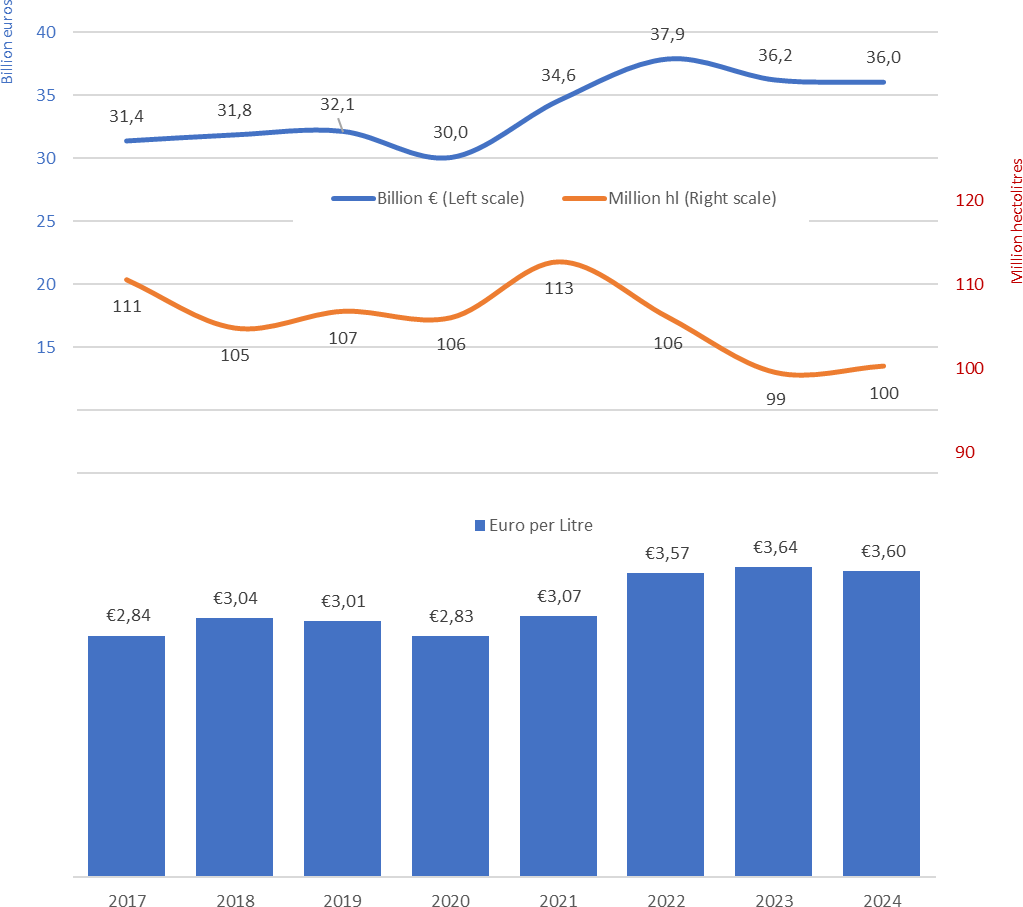
In contrast, export volumes have yet to return to pre-pandemic levels. Volumes peaked at nearly 113 million hectolitres during the post-COVID recovery phase but have since declined [2]. One contributing factor was overstocking in major markets such as the United States, where importers anticipated a consumption rebound that failed to materialise. Combined with inflationary pressures, sluggish economic growth, and global uncertainty, this oversupply curbed trade flows in 2023. However, 2024 marked a turning point, with export volumes stabilising after several years of decline.
1.2. Changes by product category – bottled wine, sparkling wine, bulk wine
While aggregate export figures appear stable compared to the sharp declines observed in 2023, a more detailed breakdown by product category, exporting country, and destination market reveals considerable variation beneath the surface. Notably, the simultaneous global decline in both wine consumption and production did not result in a corresponding contraction of international trade. This section examines these diverging trends in greater depth, exploring potential factors that may be sustaining trade volumes despite weakening demand and constrained supply.
Non-sparkling bottled wine, accounting for half of total trade volume, remains the most important export category (Table 1, Figure 2). Although affected by the global downturn in wine consumption, bottled wine exports fell only marginally by 1.0% in volume. This decline was offset by higher average export prices, resulting in stable export values for this category.
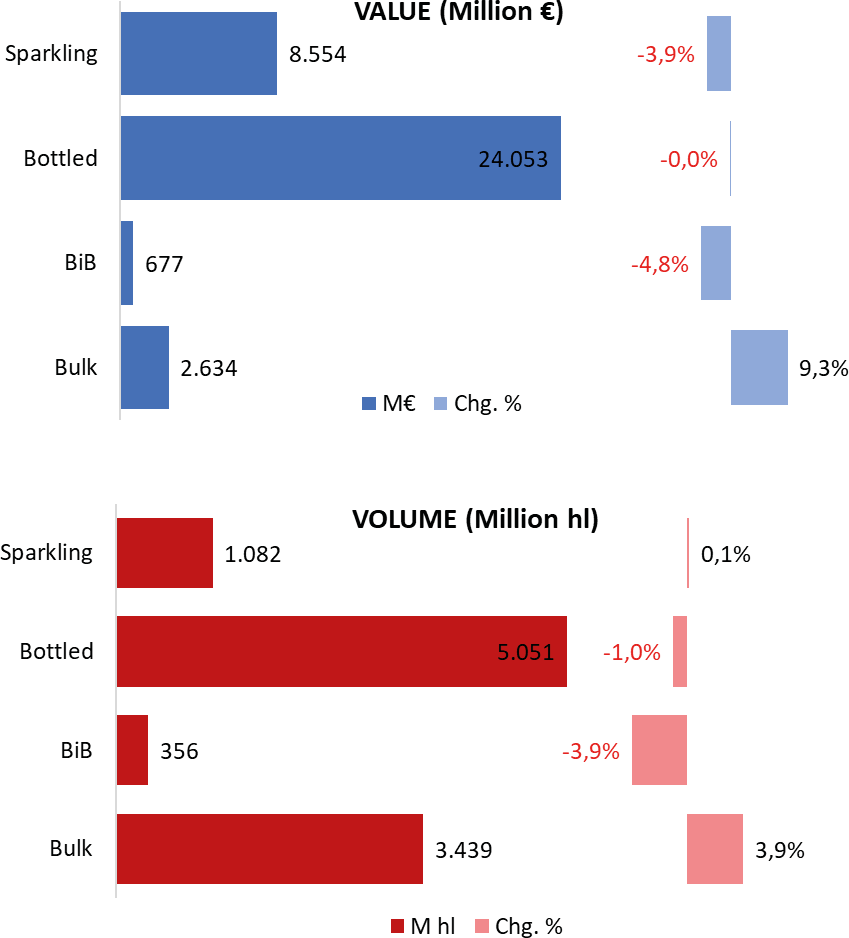
Sparkling wine diverged from the overall consumption trend, with trade volume increasing slightly by 0.1%. This development aligns with current and past industry expectations of increasing consumer preference for refreshing wine styles (Figure 3; [2]). However, the stable volume was accompanied by a decrease in average price, leading to a 3.9% decline in total export value.
Bag-in-Box (BiB) wines remain the smallest product category in terms of volume and are primarily consumed in Scandinavian countries [2]. The contraction of these markets [1] led to a significant decline of 3.9% in traded volume and a 4.8% drop in export value.
Bulk wine exports increased notably, in contrast to the decline observed in packaged wine categories. Trade volume rose by 3.9%, and export value grew by 9.3%. In terms of volume, this surge more than compensated for the decline in packaged wine exports. However, due to its significantly lower average price, bulk wine was unable to offset the overall decline in total export value (Table 1).
The trade of bulk wine is largely shaped by intra-industry trade dynamics, which help balance supply fluctuations among major wine-producing countries [4]. In recent years, the volatility of wine production has increased, partly due to the growing impact of climate change [1]. Severe weather events – particularly droughts and heavy rainfall – have reduced harvest volumes in many regions.
While bottled wine consumption and trade tend to be more stable than annual harvest volumes, the trade in bulk wine acts as a corrective mechanism, helping to offset production imbalances between producing regions. For example, reduced harvests in Italy in both 2023 and 2024 contributed to rising domestic grape prices, creating demand for lower-priced wine that could not be met by local supply alone. As a result, as Italy maintained a high level of exports, its imports of bulk wine and must increased in 2024 by 65 Million litre or 39% to fill the domestic shortfall [3]. This example illustrates how growing production volatility is driving an expansion in bulk wine trade, as producers and markets seek to maintain supply continuity in the face of increasingly erratic harvest outcomes.
1.3. Changes by wine colour – still wine
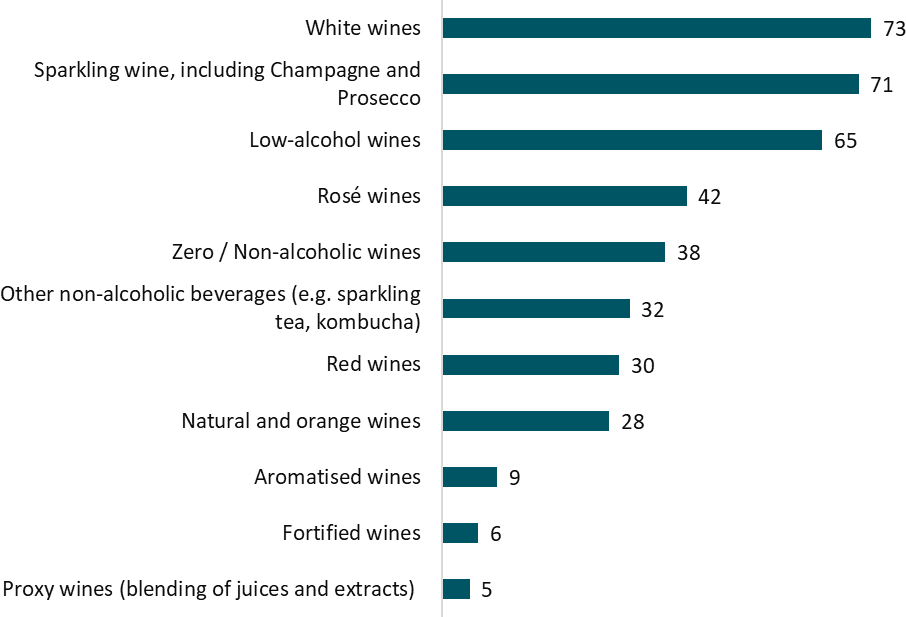
The ongoing shift of consumer preferences regarding wine colour and the emergence of new wine-based beverages has been the focus of recent research [2, 5, 6]. The latest survey of international wine industry experts confirms the continuation of these trends (Figure 3).
Expert opinions
In 2024, international retailers and on-trade professionals reported rising sales of sparkling, white, rosé, and low- and no-alcohol wines, with expectations that these trends will continue into 2025 [7]. Sparkling and white wines were the most frequently cited as trending across international markets.
The performance of low- and no-alcohol wines varies by region. Low-alcohol wines are particularly popular in Southern and Eastern Europe and Scandinavia, while dealcoholized wines are gaining traction in Germany, Austria, and the Netherlands. Other non-alcoholic alternatives – such as sparkling tea and kombucha – are also increasingly consumed, especially in the UK/Ireland, Belgium, and the Netherlands.
Red wines were generally seen as declining in demand, except in Southern and Eastern Europe, where they remain more widely consumed. Natural and orange wines feature more prominently in the UK/Ireland, Southern Europe, and the Netherlands. Fortified, aromatized, and proxy wines were rarely mentioned, with the exception of aromatized wines in Eastern Europe [7].
Evidence from EU Export Data
To what extent do these expectations correspond to actual trade patterns? While global trade statistics do not provide wine colour breakdowns, the European Union’s Combined Nomenclature (CN) allows detailed analysis of still bottled wine exports by colour. The dataset used here comprises 32.8 million hectolitres.
Trade statistics confirm the diverging trends between white wines and red/rosé wines (Figure 4). Since the post-pandemic rebound in 2021, exports of red and rosé bottled wines have declined by 17.6%. In contrast, white wine exports declined by only 6.2%. This divergence is even more pronounced in value terms. Although red and rosé wines still dominate in total volume and value, white wines have proven more resilient – declining less in volume and growing slightly in value.
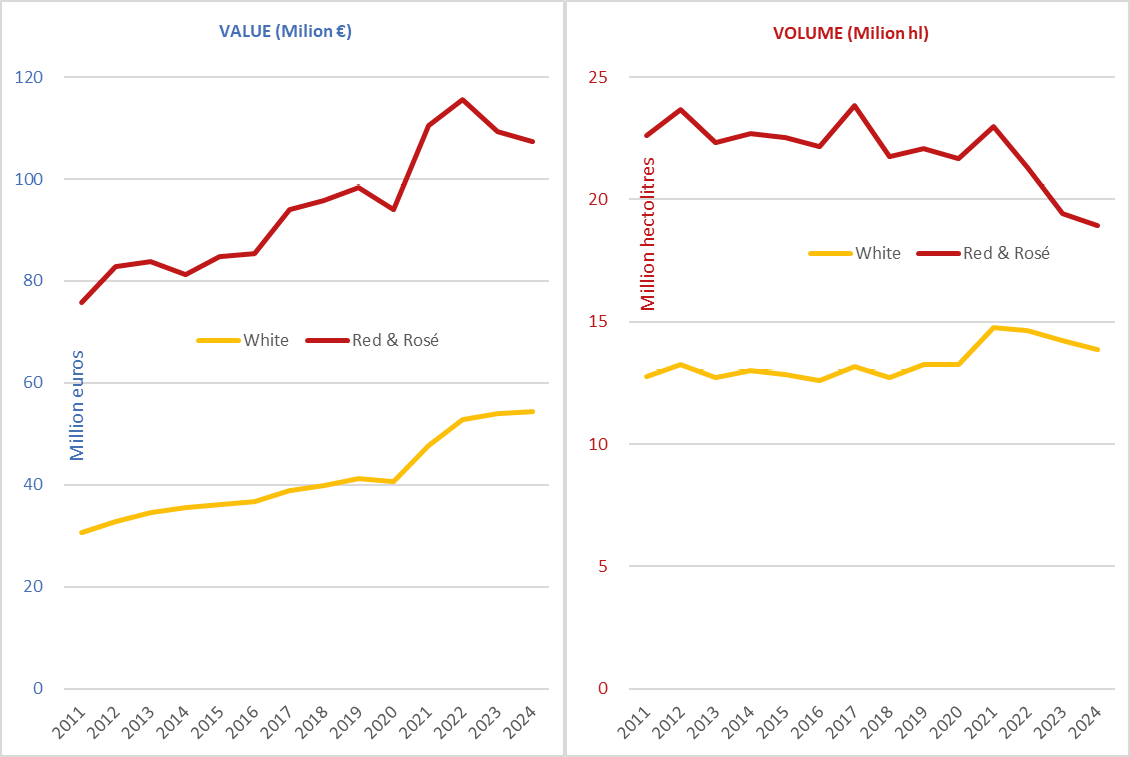
These figures reflect a broader shift in consumer preferences toward fresher wine styles. This trend is further supported by the sustained growth of sparkling wine and increasing interest in low- and no-alcohol alternatives. Nonetheless, recent innovations in red winemaking suggest that red wines may also be evolving, offering fresher profiles that align with changing consumer expectations [2].
Expert opinions and export data converge in indicating that white wine is performing more favourably than red wine overall. However, contrary to what the expert assessments in Figure 3 might imply, white wine is not increasing in export volume. Both red and white wine exports are declining – only that red wine is declining at a faster rate.
From a policy perspective, this suggests that if reductions in vineyard acreage are to be considered, priority should be given to reducing red wine plantings over white. The current downward trend in exports for both wine types indicates that converting red wine acreage to white is unlikely to offer a broad or sustainable solution. This pattern is consistent with market developments, where traditional red wine regions such as Rioja and Bordeaux are adapting to lower demand. Other red wine producers are responding through innovation, for example by developing RTDs, Tinto de Verano, Sangria, and Spritz-style products.
2. Insights into export and import markets
2.1. Development of key exporters
The three leading wine-exporting countries – France, Italy, and Spain – showed distinct developments in 2024 (Figures 5 and 6). Together, they accounted for 63% of global wine export value and 54% of total export volume.
– Italy continued to perform most strongly in 2024. Despite a weaker domestic harvest – partially offset by increased imports – and ongoing challenges in global markets, Italy recorded a 4.7% increase in export value (to €8.14 billion) and a 1.7% rise in volume (to 21.7 million hectolitres). It remained the world’s largest exporter by volume, once again surpassing Spain, and ranked second by value. Italy also improved its average export price to €3.74 per litre, positioning itself between France (€9.07/l) and Spain (€1.52/l).
– France retained its position as the global leader in export value. In 2024, it exported 13 million hectolitres, generating €11.7 billion – representing nearly one-third of global wine trade value. However, this marked a 2.4% decline in revenue, driven by a 2.9% drop in average export prices, despite a slight 0.6% increase in volume. The decline was primarily attributable to falling Champagne sales.
– Spain experienced divergent trends. While its export volume declined by 4.5% to 20 million hectolitres, export value increased by 1.6%, just exceeding €3 billion. This growth was supported by a 6.4% rise in average export prices, although Spain’s pricing remains well below that of its main competitors.
These divergent outcomes among the top three exporters highlight the importance of product mix, branding, pricing strategies and commercial capacities. Italy’s export gains were driven by enhanced competitiveness. Italian producers demonstrated strong market orientation by closely following consumer preferences and building significant commercial capabilities within the wine sector. They showed a clear willingness to adapt to market trends and to cultivate relationships through travel, communication, and active commercial engagement.
France, despite achieving the highest average prices, experienced a decline in export revenue due to a downturn in a key premium segment (Champagne). This illustrates that even premium-focused portfolios are vulnerable to shifts in demand. In contrast, Spain’s volume-driven, bulk-heavy export model enabled a modest increase in bulk wine prices to raise overall export value in 2024. However, this also underscores a structural vulnerability: heavy reliance on low-priced bulk exports exposes Spain’s wine sector to price volatility in this segment.
Three new world exporters achieved significant recoveries (Figure 5 and Figure 6). Chile, Australia, and the United States rebounded after earlier setbacks. These countries had been heavily affected by declining demand in China but recovered strongly in 2024 as that market began to recover its imports.
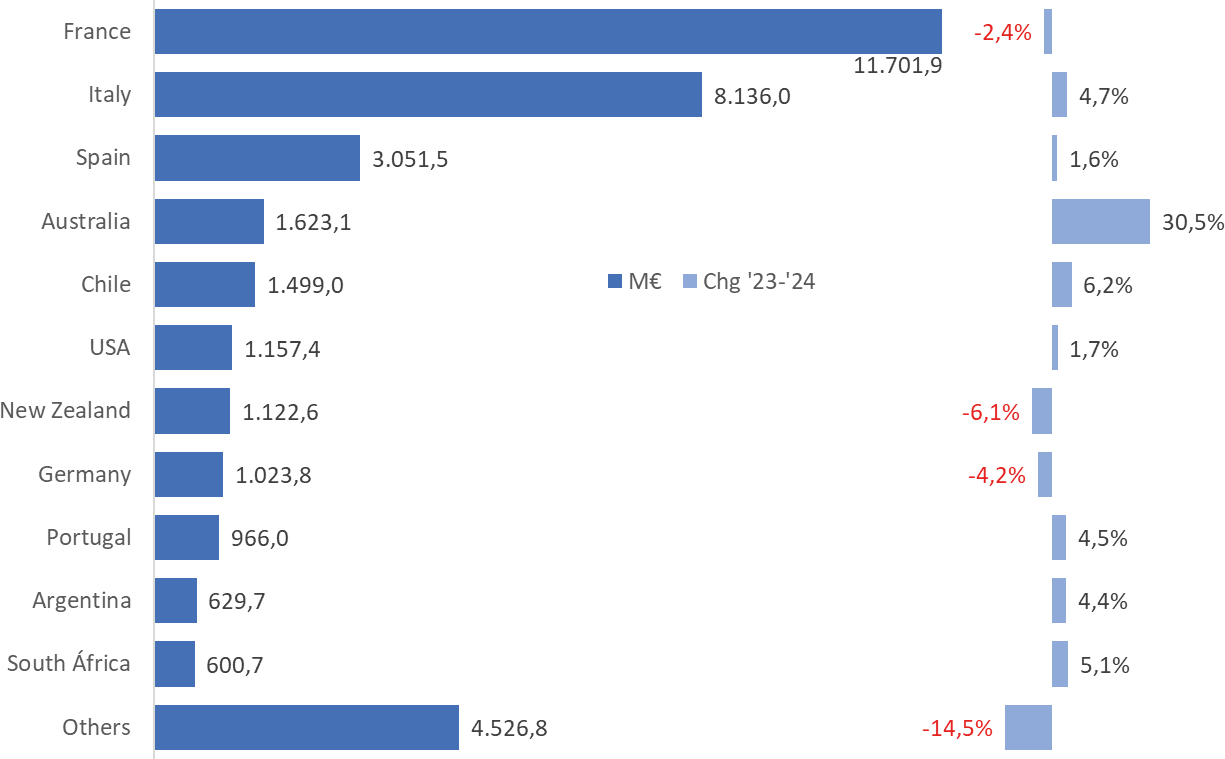
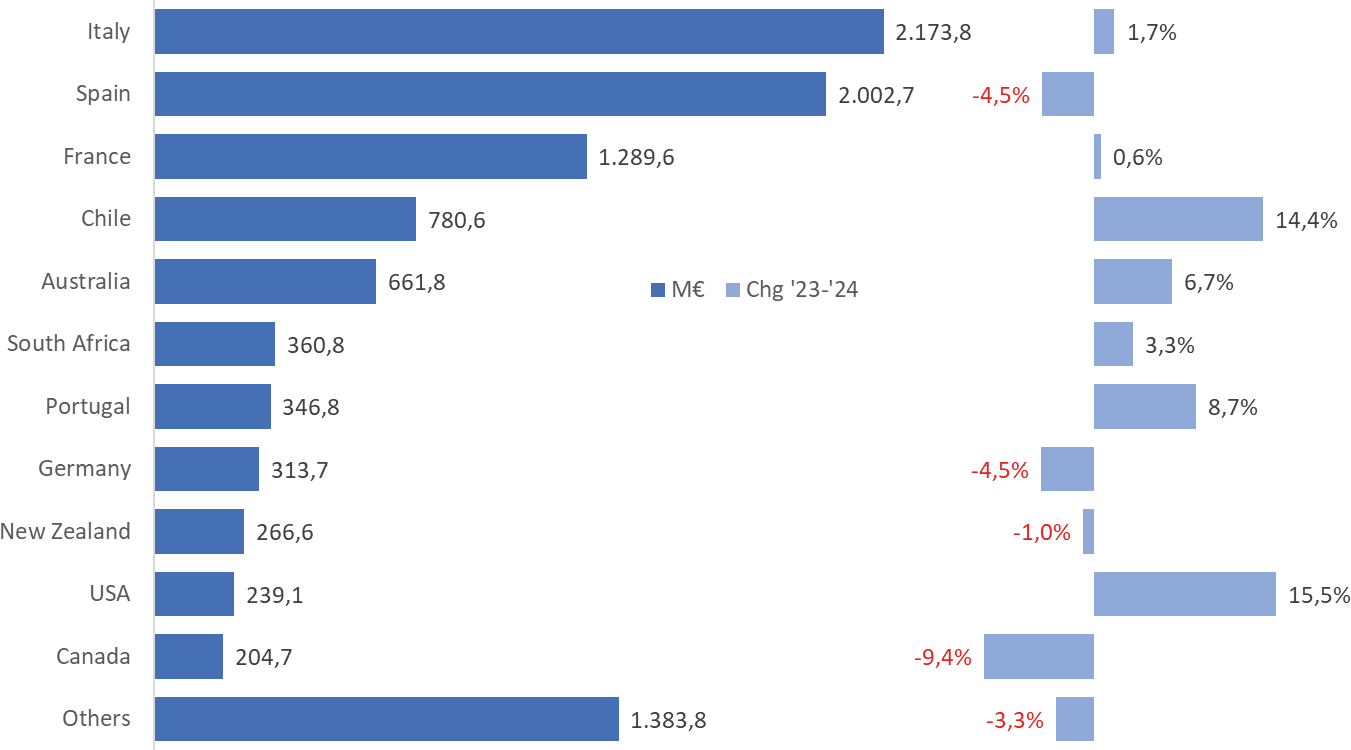
– Australia recorded the strongest value growth. Export value rose by 30.5%, while volume increased by 6.7%, following the removal of Chinese tariffs that had been in place for three years. Although consumption in China has not rebounded yet in 2024, experts suggest that the supply chain of importers and retailers stocked up Australian wine, which has the highest preference in China [7, 8].
– Chile strengthened its global position. It became the fourth-largest exporter by volume, with a 14.4% increase, and ranked fifth by value, which rose by 6.2%, particularly driven by growth of exports to UK, USA and Brazil. However, its average export price declined slightly.
– The United States achieved a double-digit volume increase. Export volume rose by 15.5% to 2.4 million hectolitres, following sharp increase in the UK, Germany and Denmark and placing it tenth globally. Export value grew more modestly by 1.7%, reaching €1.16 billion.
Notably, each of these New World exporters benefited from different factors in their 2024 rebound. Australia’s resurgence was primarily value-driven due to supply chain effects from regained access to the Chinese market (a higher-priced market), Chile’s growth was volume-driven across diverse markets albeit with some price concession, and the U.S. expansion was mostly volume-driven with little value increase, implying a focus on cheaper export offerings.
In essence, regaining market access (as in Australia’s case) and diversifying export destinations (as seen for Chile and the U.S.) were key to these recoveries, although maintaining or improving price levels remains a challenge for those reliant on bulk or lower-end segments.
Other smaller export countries showed mixed developments.
– New Zealand and Germany faced export declines. Both countries recorded losses in volume and value. In Germany, the drop was mainly due to falling re-exports, while net exports of domestic wine increased – supporting the observation of growing international demand for white wines.
– Portugal, Argentina, and South Africa showed moderate growth. These countries benefited from targeted market positioning and improved export conditions.
– “Other countries” recorded the sharpest decline at –14.5%. This reflects a general trend in which smaller origins – often included as secondary or niche selections – are most affected when contracting markets lead to reduced shelf space and lower stock levels.
In summary, smaller exporters’ fortunes depended on their specific market focus and challenges: those with structural disadvantages or heavy reliance on re-exports (like Germany) saw declines, whereas others that found niche opportunities or benefited from favourable market conditions achieved modest gains.
2.2. Italy as role model for success – A case for future research
Over the long term between 2017 and 2024, Italy has clearly outperformed its direct competitors, France and Spain. In value terms, Italy’s global wine exports grew by 35.5%, between 2017 and 2024, rising from €6.0 billion to €8.1 billion. This compares with a 28.5% increase for France and a modest 5.2% for Spain over the same period. In volume terms, Italy was the only one of the three to achieve a net increase (+1.2%), while both France and Spain recorded declines of over 14% (Figure 7).
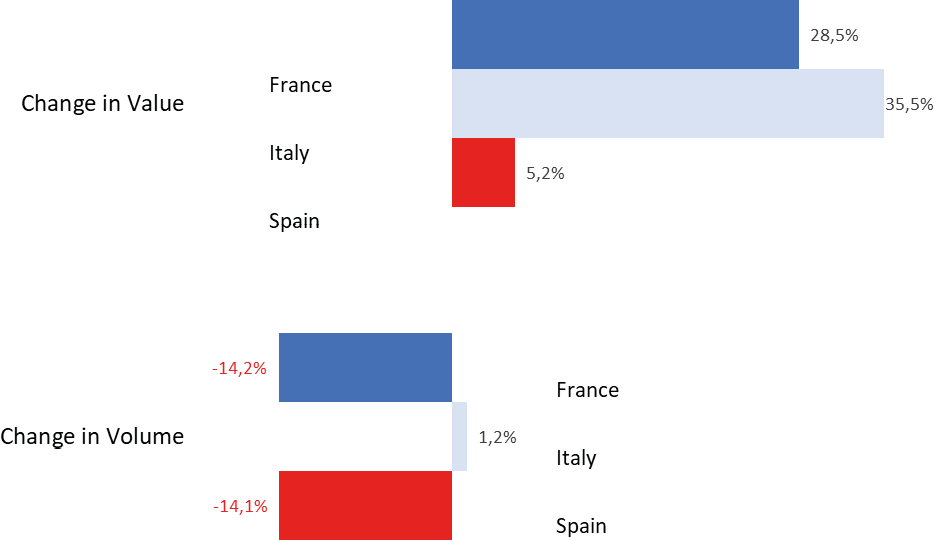
Sparkling Wine as a Key Growth Driver
Italy’s strong export performance is largely driven by sparkling wines, particularly Prosecco. Over the seven-year period, the 1.2% increase in total volume reflects a growth of 1.9 million hectolitres in sparkling wine exports, which compensated for a 1.5 million hectolitre decline in bulk wine exports and a stable volume in non-sparkling bottled wines (-0.3%).
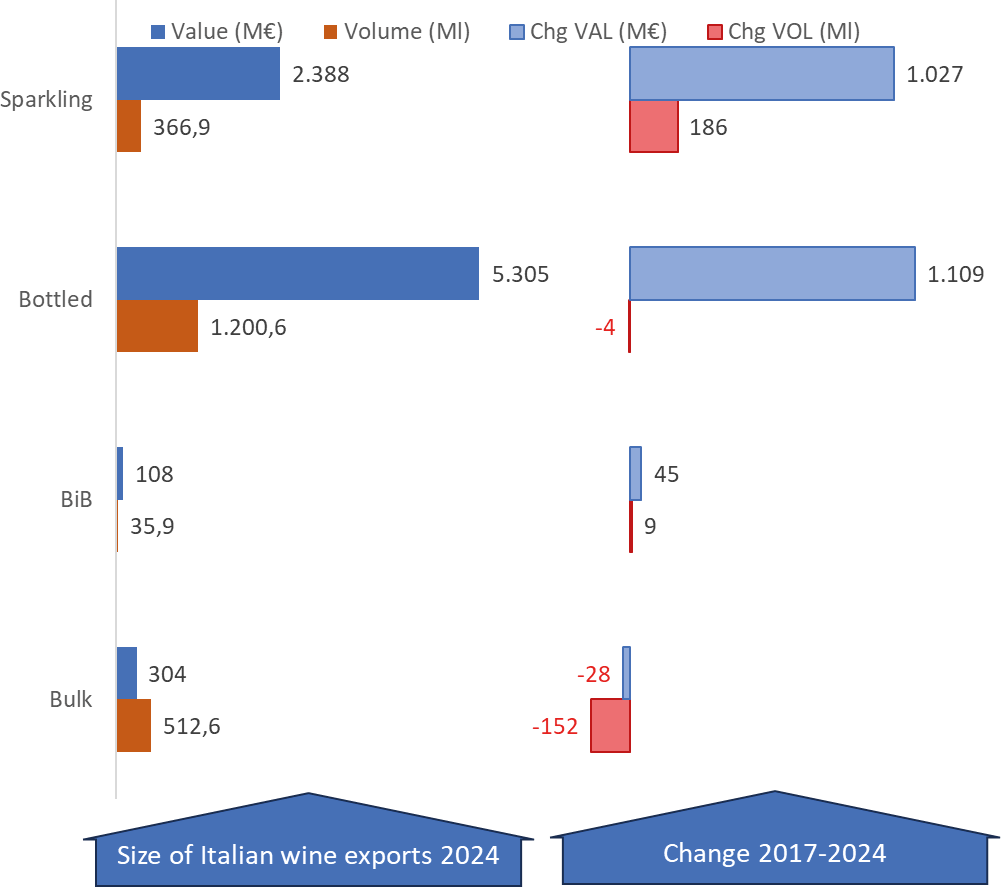
In value terms, the 35.5% overall increase was primarily supported by a 75.5% increase in sparkling wine revenues and a €1.1 billion rise in revenues from still bottled wines, offsetting the 8.5% decline in bulk wine exports. In effect, Italy substituted low-value bulk wine exports with higher volumes of sparkling wine, combined with a 16.4% increase in average price and steady sales of higher-value still wines – a combination that underpins Italy’s export success since 2017.
Strategic Supply Management and Value Creation
Recent developments illustrate Italy’s strategic shift towards value creation. In response to smaller harvests in 2023 and 2024, Italy reduced bulk wine exports to Germany, where its wines had traditionally served as a base for sparkling and aromatised wines. Instead, these low-value wines were redirected to higher-value markets, both domestically and internationally.
Germany, in turn, compensated for reduced imports from Italy by increasing imports of bulk wine from Spain and by relying on domestic surplus stocks, which had accumulated due to continued production and falling demand. As a result, wines produced at full costs of €1.20 per litre and marginal costs of €0.80 were sold to processors at prices as low as €0.40–€0.60 per litre. This represents a case of value destruction rather than value creation. Italy’s model shows how adapting product strategy and managing supply can support price stability and long-term profitability.
Italy’s export success has been broad-based across markets, with particularly strong performance in the United States. Of the €2.1 billion total increase in export value since 2016, almost a quarter or €531 million came from the U.S. market, where volume also grew by 8.3%, reaching 3.6 million hectolitres. Italy also increased revenues in Germany by €188 million, despite a 9.7% decline in volume. Further growth exceeding €100 million was recorded in Canada, France, the Netherlands, Russia, and Belgium. The UK market showed more modest gains in comparison.
Italy as best-practice case example for other wine-producing countries
Several years ago, Pomarici and colleagues [9, 10] analysed the structural transformation of the Italian wine sector over recent decades, identifying key factors that contributed to its long-term success. These factors include the scale and organisation of production and supply networks, robust domestic demand, a high level of market orientation and adaptability, a regulatory environment supportive of product innovation, and socio-economic frameworks marked by a clear division of labour and specialisation.
While the initial market success of Prosecco may have been partly serendipitous, the Italian wine sector effectively nurtured and scaled it into a major international export success. A critical turning point was the establishment of the Prosecco appellation system, which played a strategic role in protecting the brand, managing supply growth in line with demand, and maintaining price stability [9]. Had Prosecco remained classified solely as a grape variety, its success could have been undermined by lower-quality imitations produced outside today’s delimited production zone.
Italy’s strong market orientation, supported by an efficient use of EU funding, has led to branding and packaging excellence among its wine producers. The sector has consistently aligned its strategies with the preferences, quality expectations, and price points of export markets, while also benefitting from Italy’s strong country image in global wine trade. Italian producers were early movers in expanding into sparkling wines, refreshing whites, and approachable off-dry reds such as Primitivo. More recently, Italy’s openness to wine-based cocktails and low- and no-alcohol wine innovations underscores its continued responsiveness to emerging consumer trends. These sectoral dynamics offer valuable insights for other wine-producing countries currently facing comparable market challenges.
Italy’s performance raises several important questions for future research. How can other countries learn from Italy’s strategic positioning and adaptability? In the context of current demand shifts and ruinous price competition observed in some markets, which underlying structures – such as socio-economic networks, research institutions, education systems, and regulatory frameworks – should be preserved and strengthened? Identifying these elements will be crucial to managing sectoral adjustment and enabling wine industries to recover and reposition successfully after the current crisis.
2.3. Insights into major import markets
Wine exports are considerably less concentrated by destination than by country of origin. In 2024, wine was shipped to 275 countries and territories. Nevertheless, the top three import markets – the United States, the United Kingdom, and Germany – together accounted for 38% of global export value, while the top ten markets made up nearly two-thirds. Although each of the three leading markets imported more than 12 million hectolitres in 2024, their respective trajectories have diverged significantly in recent years (Figure 9).
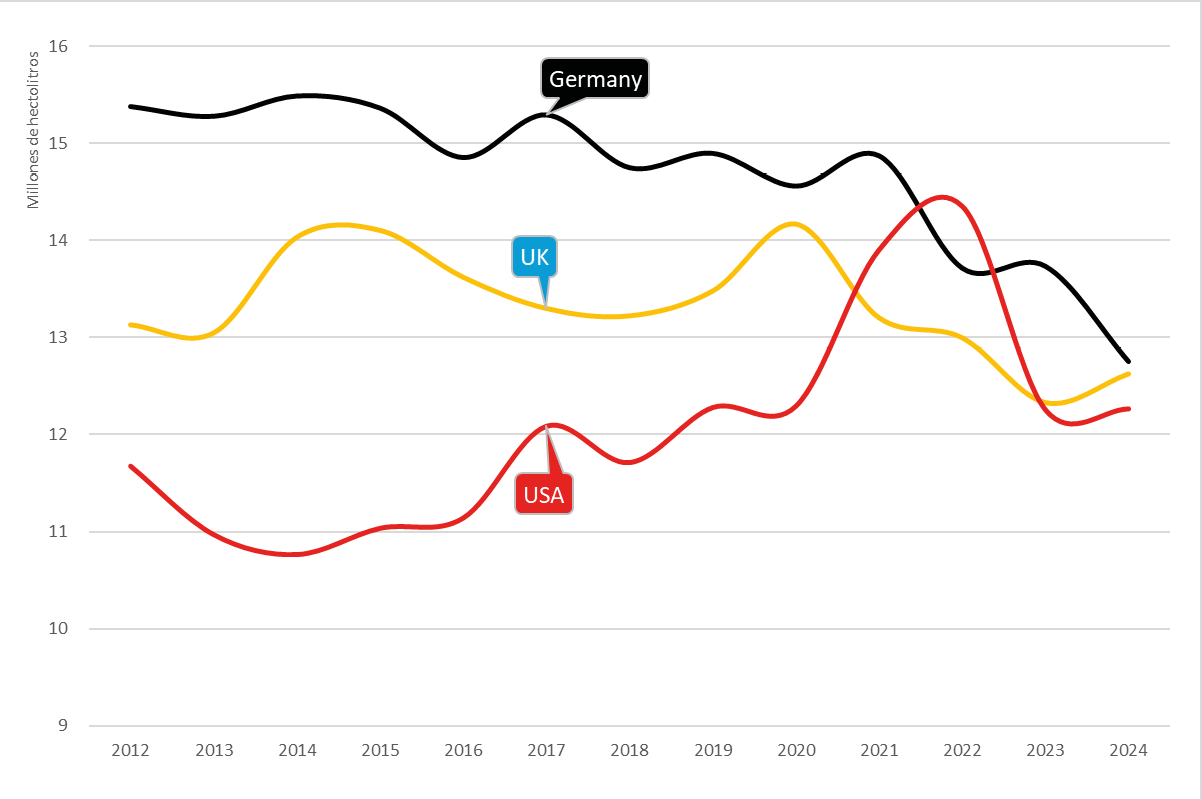
United States: As the world’s largest wine market by value, the United States showed tentative signs of stabilization in 2024. Wine import value increased by 1.6%, while import volume rose marginally by 0.2%, suggesting a modest recovery following the sharp decline observed in 2023. During the pandemic, U.S. wine imports initially contracted but rebounded strongly in the immediate aftermath, reaching over 14 million hectolitres. This surge led to significant stock accumulation, which proved unsustainable and resulted in a correction of approximately two million hectolitres in 2023.
The magnitude of this decline raised concerns about a structural shift in the market, driven by changing consumer preferences and declining wine engagement among younger generations [2]. However, the moderate rebound in 2024 suggests that at least part of the downturn may have been cyclical, reflecting a post-pandemic adjustment in inventory levels rather than a permanent contraction in demand.
Alternatively, the increase in 2024 imports may have been influenced by expectations of renewed tariffs on European wine following the U.S. presidential election in November 2024. In anticipation of potential trade barriers, many European producers – particularly in Italy [11] and Germany [12] – reportedly increased shipments to the U.S. to build up stocks before any new tariffs could take effect. As a result of this precautionary stockpiling, a notable decline in wine imports is likely in 2025, compounded by ongoing consumption declines [13] and continued trade uncertainty [14].
United Kingdom: The UK saw a slight increase in import volume (+2.4%) but experienced a decline in average prices (-3%), resulting in a 0.7% reduction in total import value. This modest recovery in volume interrupted the medium-term downward trend observed since 2020. The UK’s relative stability is noteworthy given recent disruptions, including Brexit and the COVID-19 pandemic. Despite these challenges, the UK has retained its position as a key wine market. However, there is growing concern about the potential effects of a revised alcohol duty system set to take effect in 2025, which will tax beverages based on alcohol content. This could alter consumer behaviour and impact future demand patterns.
Germany: In contrast, Germany experienced a more substantial contraction in 2024. Wine import volumes fell by 7.1%, while value declined by 9.1%. The average import price dropped by 2.1%, underscoring Germany’s continued role as a high-volume, price-sensitive market. The decline is part of a longer-term trend: since 2017, German wine imports have steadily decreased, falling from nearly 15 million hectolitres to below 13 million. Several factors have contributed to this trend. First, domestic wine consumption continues to shrink. This has led to rising stock levels of German wine and intensified price competition, particularly in the bulk wine segment. The resulting price pressure has prompted a substitution of previously imported bulk wine – such as Italian base wine used in sparkling, aromatised, or de-alcoholised wine production – with domestic surplus. In addition, re-exports from Germany to neighbouring countries have also declined. Unlike the U.S. and UK, there were no signs of stabilization in German wine imports in 2024.
Beyond the top three markets, Canada registered a modest increase in wine imports in 2024. In contrast, China experienced a substantial rebound, with import value rising by 37.6% and volume increasing by 13.7%. This recovery was largely attributable to the progressive removal of trade barriers on Australian wines, which reinitiated supply flows through national and local distribution channels.
In many other key markets, however, the value of wine imports declined. Countries such as Japan, the Netherlands, Switzerland, Belgium, France, and Sweden reported reduced expenditure on imported wine. Notably, these declines in value did not always coincide with reduced volumes. Several markets – including the United Kingdom, United States, Canada, Italy, China, Japan, and Denmark – registered increases in the volume of wine imports. These patterns suggest evolving pricing dynamics and possible shifts in procurement strategies, such as a greater emphasis on lower-priced or bulk wines. Such adjustments likely reflect efforts to maintain volume in the face of subdued consumer spending and broader economic constraints.
In summary, global import trends in 2024 present a mixed picture. Some major markets (like the U.S. and UK) managed to sustain or even increase import volumes – often by trading down to cheaper wines or by stockpiling in advance of expected trade disruptions – whereas others (like Germany and Japan) saw clear declines as a result of structural consumption decreases. This underscores that each market responded differently to global wine industry headwinds: importers in certain countries maintained volumes via price-focused strategies and inventory management, while in other countries demand contraction translated directly into lower imports.
3. Current challenges and outlook
3.1. Industry challenges
When asked in late 2024 to assess the severity of current and future challenges, industry experts continued to emphasize the dominant role of economic pressures and shifting consumer behavior, which remained the most frequently cited concerns for the global wine sector (Figure 10). Although cost pressures have eased slightly compared to previous years, they are still regarded as a major constraint on business performance.
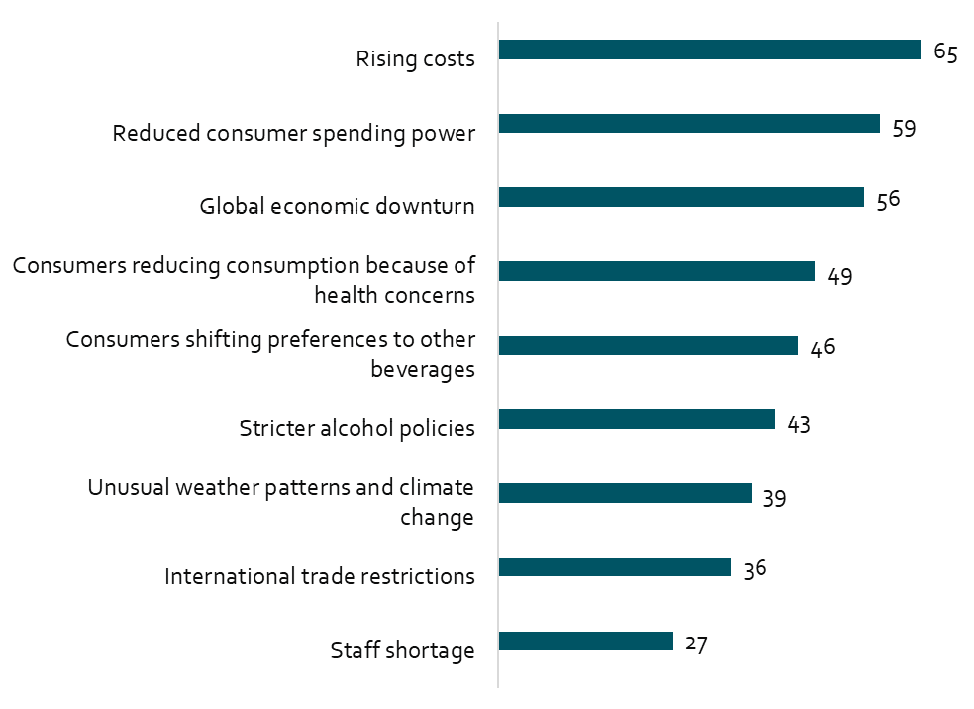
The combination of reduced consumer purchasing power and a broader global economic slowdown is expected to continue dampening wine consumption worldwide. Roughly half of surveyed producers and trade professionals identify the decline in wine consumption – driven by growing health consciousness and increasing preference for alternative beverages – as a critical challenge for the sector.
In parallel, concern about tightening alcohol regulations has grown steadily. According to data from the ProWein Business Report (2023–2025) [2, 4, 7], concern related to stricter alcohol policy has increased by approximately ten index points per year. As of 2024, 43% of experts view restrictive alcohol legislation as a key threat to the industry.
3.2. Expected effects of tariffs and trade war
In late 2024, international trade restrictions were still perceived as a moderate challenge, even in light of the upcoming U.S. presidential transition. This perception changed abruptly in mid-March 2025 with the shock announcement of a 200% tariff on wine imports from Europe to the United States – the world’s largest wine market by value. The announcement triggered a sharp rise in uncertainty across the global wine trade [14]. Producers initially responded by further increasing stocks in the U.S. market. Soon thereafter, U.S. wine importer associations advised their members to halt all shipments, as the tariffs would also apply to goods already in transit.
Although the initially announced tariff rate was subsequently reduced to 20%, with indications of a possible further reduction to 10%, a new increase to 50% was announced by the U.S. administration in late May. This highly volatile policy environment stands in stark contrast to the stability required for international trade. Accordingly, Andersson (2025) reported that the Wine Trade Uncertainty Index reached its highest level on record in 2025 [14].
By export value, France and Italy are the leading wine exporters to the U.S., followed at a certain distance by Spain and New Zealand (Figure 11). These four countries therefore face the highest absolute exposure to U.S. tariffs. In relative terms, Figure 11 illustrates each country’s share of total bottled wine exports (sparkling and non-sparkling) destined for the U.S. – a measure that can be interpreted as relative value at risk.
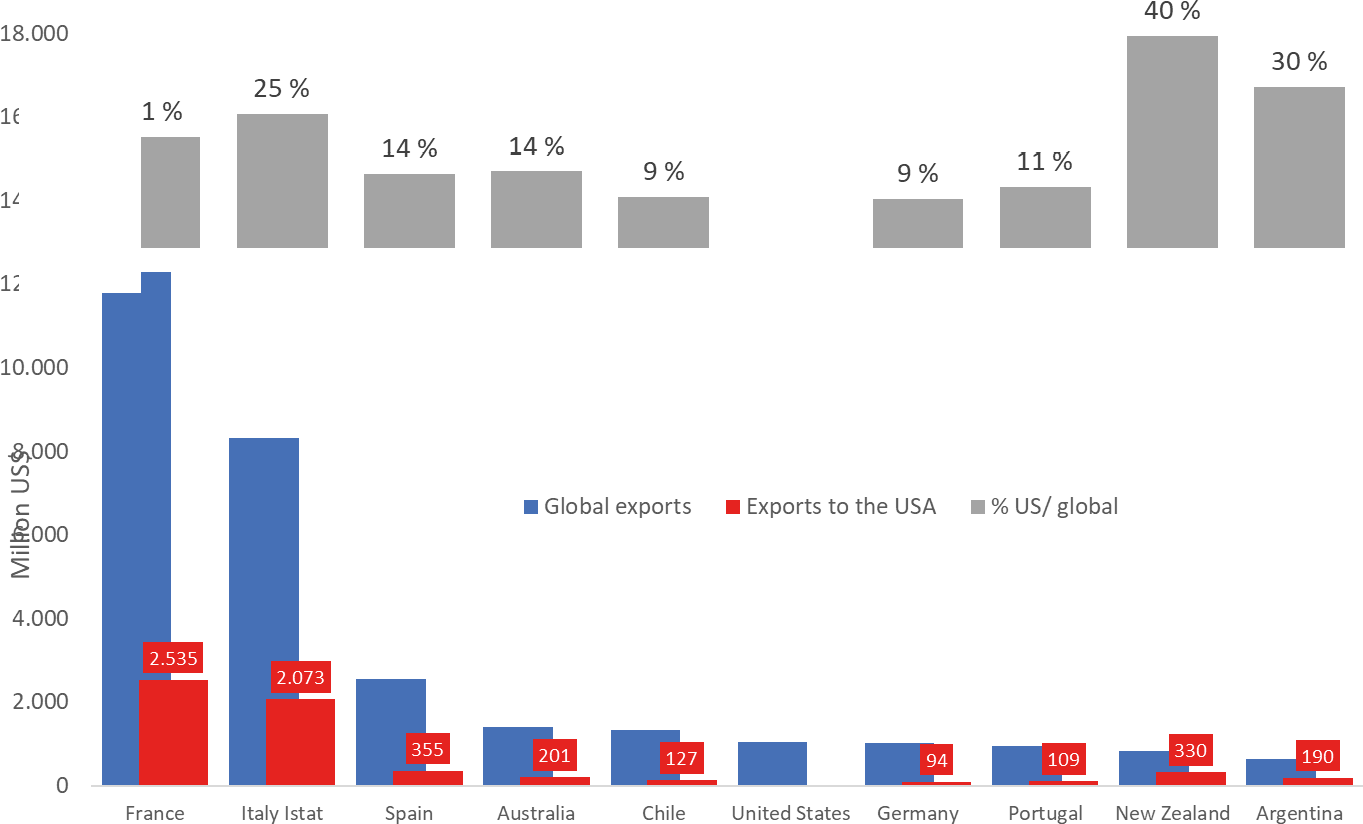
Notably, New Zealand exhibits the highest relative exposure, with approximately 40% of its total packaged wine export value generated in the U.S. market. Argentina, another relatively small exporter, follows with around 30%. Among the two largest exporters, Italy shows a slightly higher relative exposure at roughly 25%, compared to 21% for France. Other wine-exporting countries derive a smaller proportion of their export revenues from the U.S. and are therefore expected to be less affected by tariff changes.
In such an environment, global exporters may increasingly lose confidence in the U.S. market, leading to a relative “de-Americanisation” of their business, and seek to diversify into alternative destinations to mitigate risk. In the long term, the global importance of the U.S. as a wine-importing country is likely to decline as a consequence of such protectionist policies producing greater uncertainty. This is further compounded by the structure of the U.S. wine distribution system: the three-tier model of importer, wholesaler, and retailer absorbs a significant share of the total value. Tariffs cascade through this fragmented supply chain, leading to disproportionately high retail price increases. In a consumer environment marked by growing price sensitivity, such dynamics could further accelerate the substitution of wine with alternative beverages in the U.S. market.
Combined impact of risks and policy implications. Taken together, the aforementioned risk factors paint a picture of a wine industry facing multifaceted challenges on both the demand and supply sides. Economic stress and evolving consumer preferences are dampening global demand for wine, while policy shifts – ranging from stricter alcohol regulations to sudden trade barriers like tariffs – create uncertainties that can disrupt markets and supply chains. Climatic volatility adds another layer of risk by destabilizing production, which, as seen, has prompted greater reliance on bulk trade to balance shortages. The interplay of these factors tends to amplify overall volatility in the wine market – it is more complicated to match demand and supply – which is required to create value.
Addressing this complex risk landscape will require coordinated strategies by both industry stakeholders and policymakers. Producers and exporters may need to diversify their markets to avoid over-reliance on any single country (especially where policy is unpredictable), closely follow market trends, invest in product innovation (for instance, developing lower-alcohol or novel wine products to align with health trends), improve their commercial capacities, and improve supply-chain agility to respond to production shortfalls or sudden policy changes.
On the policy side, governments should create a flexible regulatory framework for stakeholders to easily adapt to market changes and consider the broader implications of tariff escalations and restrictive regulations. International cooperation or dialogue aimed at maintaining a stable trade environment could help reduce uncertainty, while balanced domestic policies can address public health objectives without unduly harming the wine sector’s economic viability. In essence, enhancing the wine industry’s resilience will depend on a proactive approach that integrates market diversification, adaptation to consumer trends, and supportive policy frameworks.
4. Summary and Conclusion
In 2024, global trade in wine and must remained relatively stable, with only minor fluctuations: volume increased by 0.8%, value declined by 0.5%, and the average export price per litre fell by 1.2%. While global wine consumption continued to decline, several supply-side and supply-chain-related factors contributed to holding trade volumes steady – albeit with considerable variation beneath the surface.
Rising production volatility linked to climate change has increased the need for intra-industry trade, particularly in bulk wine among producers, which recorded gains in both volume and value. In contrast, declining trade volumes of bottled wine reflect longer-term shifts in global wine consumption. The lifting of tariffs on Australian wine imports into China led to a strong resurgence of Australian shipments, as importers and retailers sought to replenish depleted supply chains [8]. Similarly, in anticipation of possible new U.S. tariffs on European wine, importers increased stock levels in the American market [11].
Although the relative stability of global wine trade in 2024 may be interpreted as a sign of resilience – particularly following the sharp contraction in 2023 – these special factors, including stockpiling and supply chain repositioning, are expected to impact trade dynamics in 2025. A decline in trade volumes appears likely, especially in light of persistent economic uncertainty and the potential reintroduction of U.S. tariffs [14].
The global wine sector thus finds itself navigating increasingly uncertain waters. Given the heightened volatility, continued close monitoring of global wine trade developments will be essential.
Rising risks, evolving product preferences, and shifting trade dynamics pose challenges but also open new opportunities for producers. In light of the accelerating pace of change, the sector must be equipped to adapt rapidly. Wine regulations should therefore be reviewed and adjusted to allow both individuals and companies to respond effectively to market shifts. The sector requires a regulatory framework with sufficient flexibility to enable agile, timely adaptation.
References
[1] OIV, The State of the World Vine and Wine Sector in 2024. 2025: Dijon
[2] S.M. Loose, and R. del Rey, State of the International Wine Markets in 2023. The wine market at a crossroads: Temporary or structural challenges? Wine Economics and Policy, 2024
[3]. R. del Rey, S&P International Trade Data, elaborated by Del Rey AWM. 2025
[4] R. del Rey, and S.M. Loose, State of the International Wine Markets in 2022: New market trends for wines require new strategies. Wine Economics and Policy, 2023. 12(1): p. 3-18 https://doi.org/10.36253/wep-14758
[5] H. Ford, et al., Exploring consumers’ drinking behaviour regarding no-, low- and mid- alcohol wines: a systematic scoping review and guiding framework. Journal of Marketing Management, 2025: p. 1-31 10.1080/0267257X.2025.2499101.
[6] N. Waehning, and V.K. Wells, Product, individual and environmental factors impacting the consumption of no and low alcoholic drinks: A systematic review and future research agenda. Food Quality and Preference, 2024. 117: p. 105163 https://doi.org/10.1016/j.foodqual.2024.105163.
[7] S. Loose, , ProWein Business Report 2025 - Shaping the Future of Wine. 2025, ProWein: Düsseldorf
[8] K. Anderson, China’s Wine Market: Recent Shocks, Long-term Prospects. 2025, Wine Economics Research Centre, University of Adelaide, Working Paper: Adelaide
[9] S. Nagel, Premiumization at the heart of long-term sustainability: Interivew with Eugenio Pomarici from the University of Padua, in Vitisphere. 2017
[10] E. Pomarici, et al., The Italian wine sector: Evolution, structure, competitiveness and future challenges of an enduring leader. Italian Economic Journal, 2021. 7(2): p. 259-295
[11] L. Frescobaldi, “Wine consumption in recession. Pre-tariff stockpiling misled the markets.” UIV’s message to policymakers, in Gambero Rosso International. 2025
[12] S. Loose, C. Kiefer, and A. Wetzler, Umsatz- und Absatzentwicklung Apri 2025, Geisenheim Digital Sales Analysis. 2025
[13] SipSource, US Access Live 2025, SipSource Industry Updates on Sales of Alcoholic Beverages in the US Market. 2025
[14] K.Anderson, and G. Wittwer, Impacts of US-led tariff war on internatioinal trade in wine, beer and spirits. Journal of Wine Economics, 2025. in press