
About
SPECIAL ISSUE: CALL FOR PAPERS
Framing the postdigital childhood
From families practises and knowledge to the educational response
Editors - Juliana E. Raffaghelli, Emilia Restiglian, Marco Scarcelli
Department of Philosophy, Sociology, Pedagogy and Applied Psychology, University of Padua. Contact: juliana.raffaghelli, emilia.restiglian, marco.scarcelli [at]unipd.it
Department of Philosophy, Sociology, Pedagogy and Applied Psychology, University of Padua. Contact: juliana.raffaghelli, emilia.restiglian, marco.scarcelli [at]unipd.it
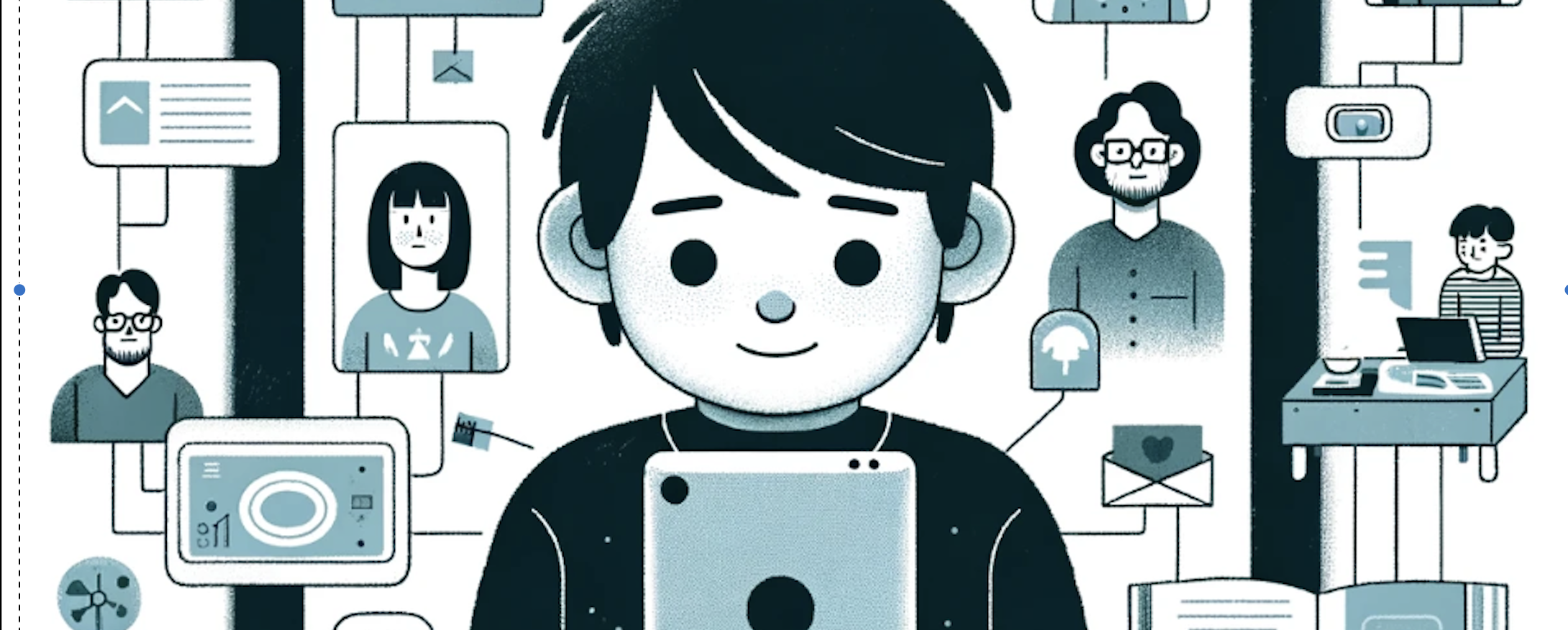
Large datasets formed upon the children’s exposure to social media, AI-powered toys and interfaces embed bias and injustice (Barassi, 2020). The data captured from toddlers overexposure to videos watched on social media platforms, later monetized in the commercial recommendations made to parents; images extracted because of the practices of sharenting, later modified through AI tools; or acts of cyberbullying on adolescents using pictures from their infancy, are just some of the unpredictable ways into which the postdigital life of children becomes risk and harm on them (Pangrazio & Sefton-Green, 2020). Childhood is nowadays being a subject of bio-codification, including genomics, neural and cognitive predictions blended with computational big data studies (Lupton & Williamson, 2017). Therefore, children’s rights to their identity and to a safe place to grow up are being violated (Rivera-Vargas et al., 2023)... read more....
IMPORTANT DATES
Abstracts submission until September 10, 2024
Final papers submission until December 22, 2024
Papers Review – from 1 january 2025-30 april 2025 (including two rounds)
Papers final version within May 30, 2025
Issue publication : June 2025
For further details visit our Call for Papers Section, our Press Release or download the Call as a PDF
Media Education aims to increase knowledge and understanding of ways in which digital technology can enhance education, through the publication of high-quality research, which extends theory and practice. The Editors welcome research papers on the pedagogical uses of digital technology, where the focus is broad enough to be of interest to a wider education community. It is open to established and emerging scholars, media professionals, teachers and educators. The journal adopts a double-blind peer review process to foster a multidisciplinary and intellectually rigorous debate on both the theory and practice of interactive media in education.
Editors in Chief
Gianna Cappello, University of Palermo, Italy
Maria Ranieri, University of Florence, Italy
Media Education is indexed in:




ISSN (print): 2038-3002
ISSN (online): 2038-3010
Current IssueVol 17, No 1 (2026): MEDIA EDUCATION – Studi, ricerche e buone pratiche
Published May 30, 2026