
About
WARS & LANDSCAPES
Edited by Danilo Palazzo and Lucina Caravaggi
Call for Papers
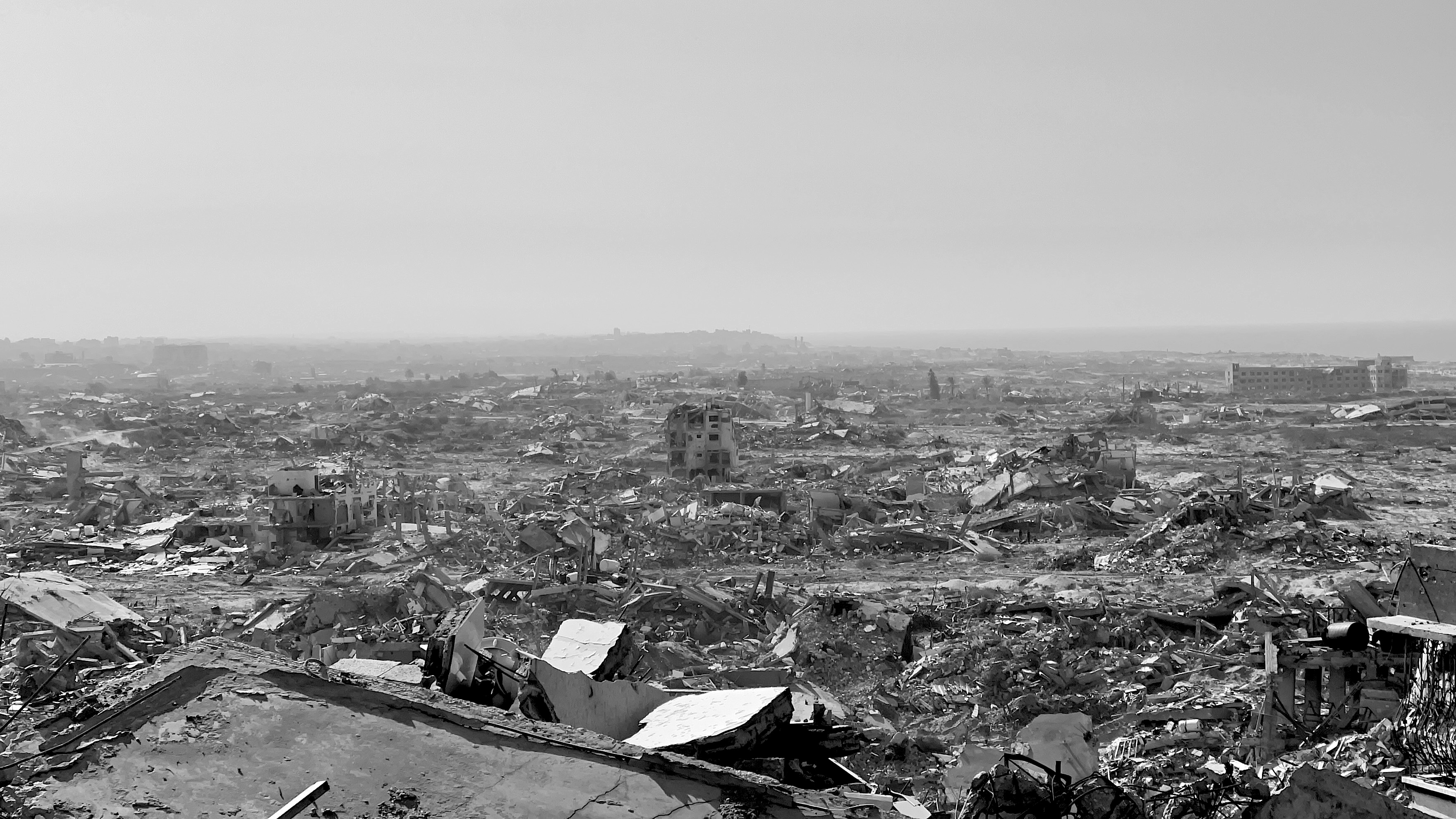
The relationship between war and landscape has long been acknowledged but has only recently been explored. Environmental historians, geographers, and heritage scholars have studied what they call “militarized landscapes” and the “environmental impact of war,” while battlefield archaeologists and memory scholars have examined World War sites as memory-scapes.
Yet the specific contribution of the landscape project, as a practice that engages with time, vegetation, topography, communities (directly or indirectly affected), public accessibility, and the slow recovery of damaged ecosystems and social ties, to the landscapes that war leaves behind, remains comparatively underexamined. This is the gap this issue aims to address.… Read More
The call is open until November 30th 2026
Visit our CALL FOR PAPERS SECTION page or download the PDF (ita/eng)
Ri-Vista is an open access, peer-reviewed six-monthly scientific journal in electronic format, ranked in “Class A” by ANVUR - Italian National Agency for the Evaluation of Universities and Research Institutes. Founded in 2003, the second series was launched in 2015, when Ri-Vista became part of the scientific journals of the University of Florence. The journal does not ask any charges neither from authors nor readers and operates through international calls for papers and double-blind peer review.
Ri-Vista deals with the multiple dimensions of landscape planning and design, seen from a rich variety of disciplines, in a scientific and open perspective which is distinctive of landscape architecture. Each issue aims at gathering knowledge and visions around specific topics, promoting innovative and responsible actions for creation, protection, restoration and management of landscapes.
Editor-in-Chief:
Emanuela Morelli, Università di Firenze, Italy
issn: 1724-6768


Ri-Vista is a Diamond Open Access Journal 
Ri-Vista is indexed in:








Current Issue2026: Special Issue 1
Published July 11, 2026
Issue Description
Minerals seem something radically contrary to the landscape, appearing to stand in opposition to life. Yet, we are largely composed of minerals; soil, water, and organic tissues are made up primarily of mineral matter. At the same time, mineral matter tells the story of how landscapes - the very sites of its extraction - were formed, transformed, and degraded, and how they might be regenerated.
This Special Issue invites a collective reflection on memory, forms, and their formative processes, and the perspectives for reactivating mining landscapes in the contemporary. This reflection stems from the scientific exchange and debate held within the IASLA Scientific Society in the spring of 2025 at the Monteponi mine - near Iglesias - located in the historic Sulcis-Iglesiente region of Sa...
More